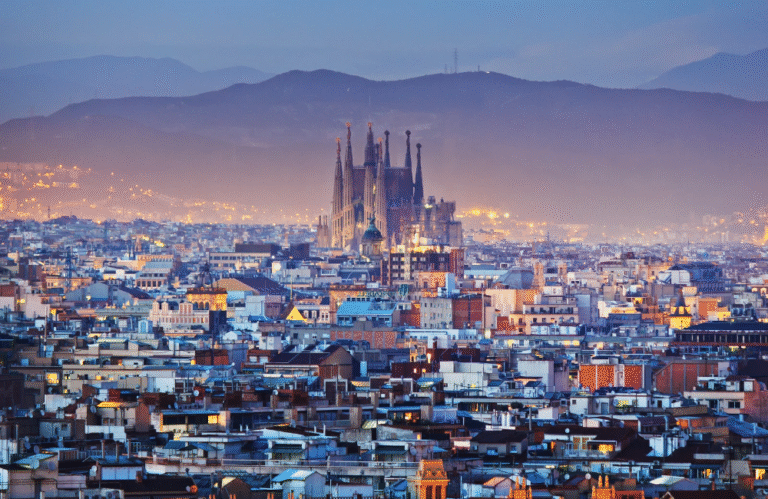
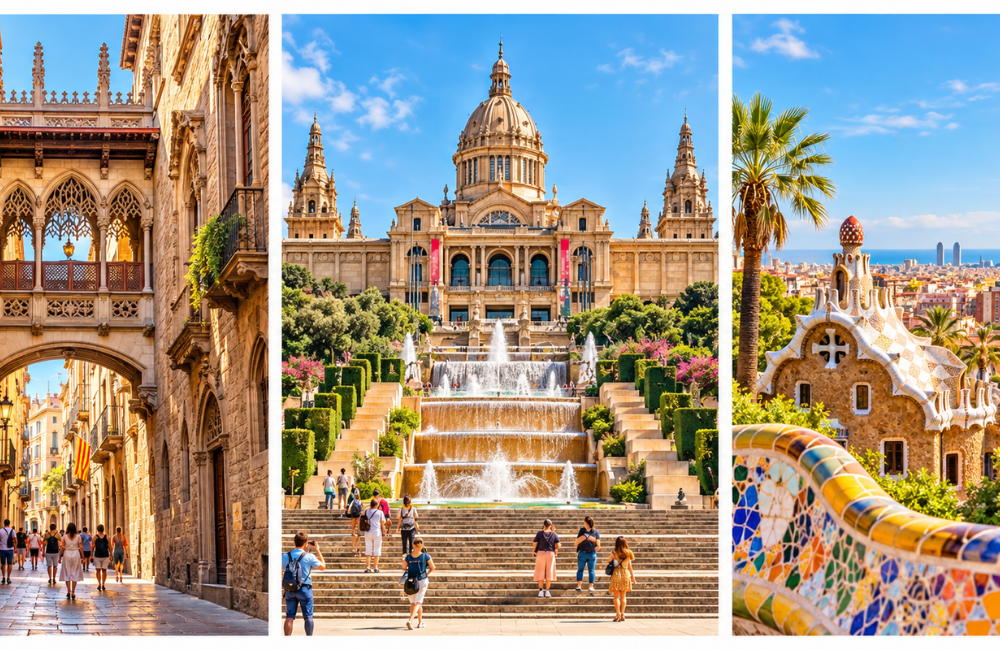
Three days in Barcelona gives you time to explore its historic neighborhoods, discover Gaudí’s extraordinary buildings, and enjoy the city’s food without turning every moment into a race. This itinerary combines major attractions with quieter places, long lunches, and opportunities to admire Barcelona from above.
You’ll begin among the medieval streets of El Born, spend your second day exploring the city’s hills, and finish with the peaceful Monastery of Pedralbes and the spectacular Sagrada Família.
Use this route as a flexible starting point. Opening hours, restaurant menus, ticket availability, and transport services can change, so confirm the details before your trip. If your arrival day is short, move one of the first day’s attractions to another morning.
Day 1: Explore El Born, Discover Picasso, and Experience Gaudí
Drop Off Your Bags Before Exploring
After arriving in Barcelona, head to your accommodation before starting your sightseeing. Even a small backpack can become uncomfortable after several hours of walking, and keeping your luggage somewhere secure makes the day much easier.
If you arrive before check-in, ask whether your hotel can hold your bags. Otherwise, look for a luggage-storage service near your accommodation or a convenient transport station. Check its operating hours so you can collect everything when you need it.
Have Breakfast in El Born
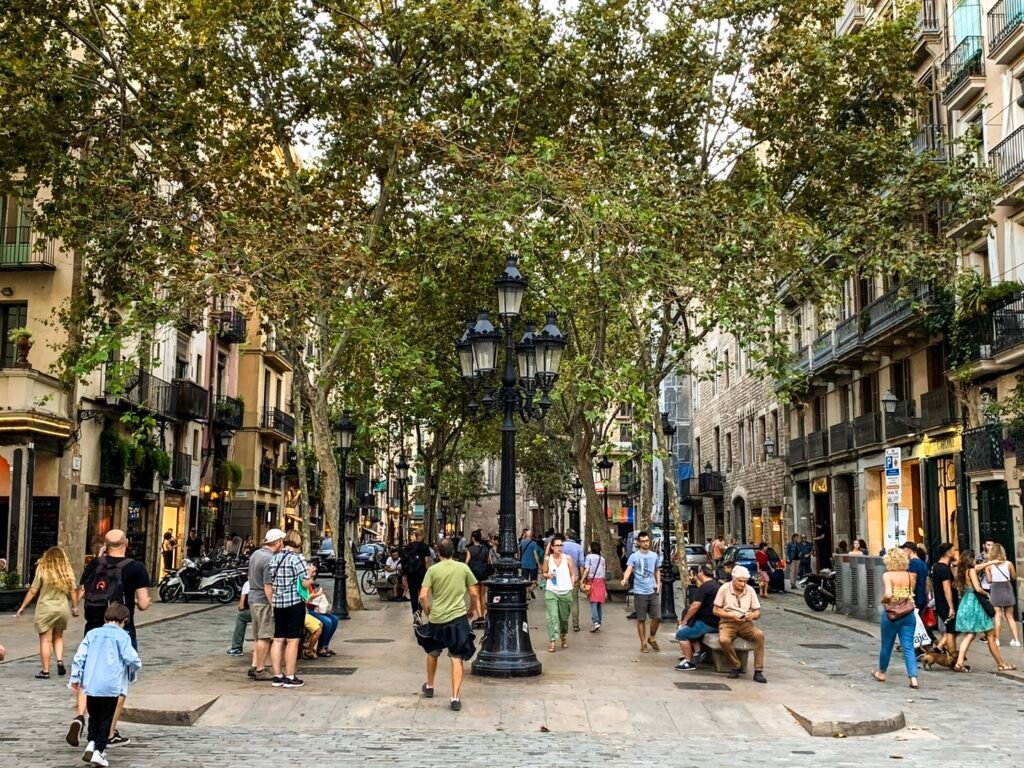
Begin your Barcelona adventure in El Born, a neighborhood where narrow streets open onto lively squares and medieval buildings stand beside small shops, cafés, and bars. It is a rewarding place to explore without a rigid route.
For a sweet start, consider Demasié on Carrer de la Princesa. The bakery is known for indulgent cinnamon rolls, making it a tempting stop for anyone who prefers breakfast with a little extra sugar. Pick something from the current selection, order a coffee, and settle in before continuing.
If you would rather start with a lighter meal, look for a nearby café serving breakfast bowls, toast, or other fresh options. The neighborhood offers plenty of opportunities to pause, so there is no need to make breakfast complicated.
Spend the Morning at the Museu Picasso
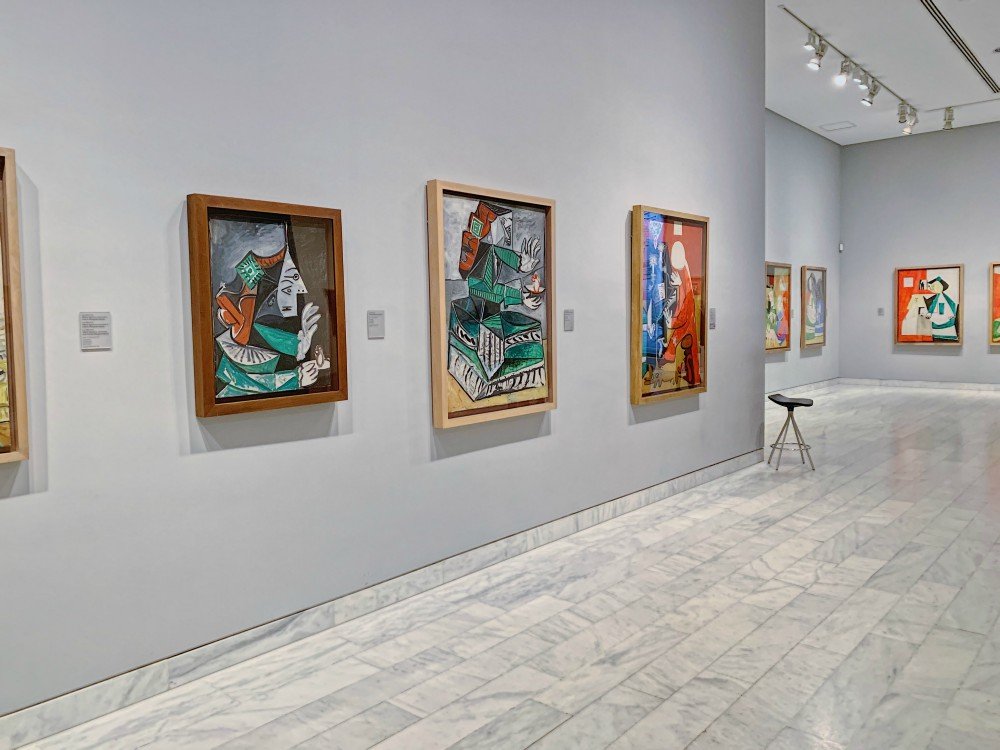
Continue to the Museu Picasso on Carrer de Montcada. Housed within a group of historic palaces, the museum offers an introduction to the artist’s early development and his relationship with Barcelona.
The setting is part of the attraction. Courtyards, stone staircases, and old architectural details create a memorable backdrop for the collection. Take a moment to notice the buildings themselves as you move between galleries.
Rather than expecting only Picasso’s most recognizable style, approach the visit as a journey through his artistic growth. His earlier work reveals the foundations behind the experimentation that later made him famous.
Allow roughly two hours for a relaxed visit, or longer if you enjoy studying individual works. Check the museum’s official website for current exhibitions, opening hours, and ticket arrangements.
Stop for a Pintxos Lunch
After the museum, stay in the neighborhood for lunch. Euskal Etxea Taberna is one option for sampling Basque-style pintxos: small bites often served on bread and held together with a cocktail stick.
Selections can include vegetables, cheese, tortilla, seafood, and meat, depending on what is available. Choosing several different pieces makes this an enjoyable way to try a variety of flavors without committing to one large dish.
Ask the staff how ordering and payment work. Some pintxo bars count the sticks left on your plate, while others use different systems. Keep any sticks until your bill has been settled.
Pair lunch with water, a soft drink, or a glass of beer or cava if you wish. Then give yourself a little time to relax before returning to sightseeing.
Walk Through El Born and Visit Santa Maria del Mar
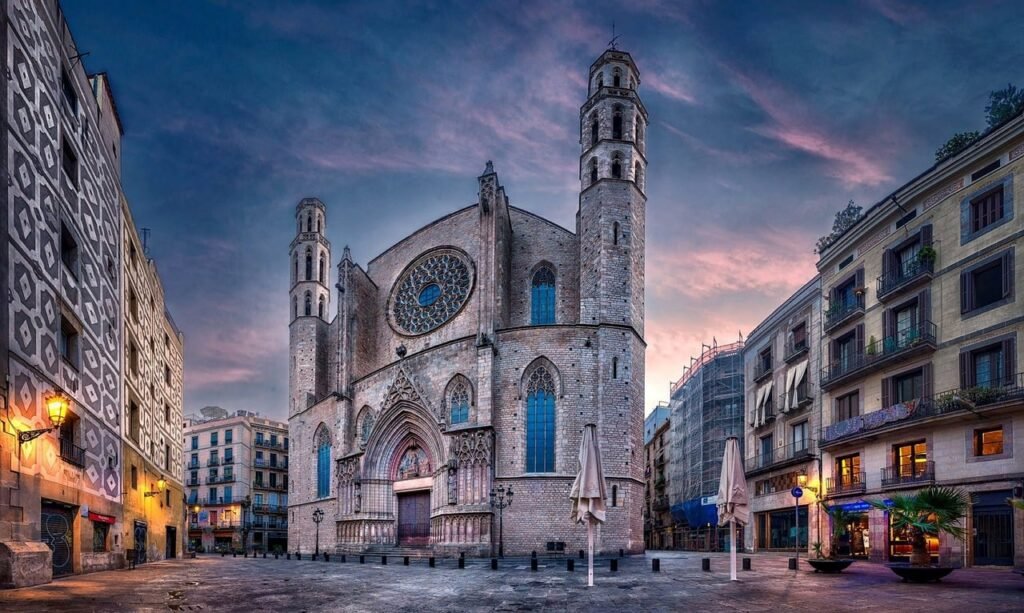
Continue toward Passeig del Born, where cafés and shops surround a lively stretch of the neighborhood. From here, make your way to the Basilica of Santa Maria del Mar.
This medieval church is an important example of Catalan Gothic architecture. Its interior offers a change of atmosphere from the busy streets outside, with tall columns and a sense of openness that encourages you to slow down.
Check the current visiting options if you would like to see more than the main interior. Guided visits and rooftop access may offer another perspective on the building and its surroundings.
Readers interested in historical fiction might also enjoy Cathedral of the Sea, a novel connected with the church’s construction and the lives of people in medieval Barcelona.
Discover the Palau de la Música Catalana
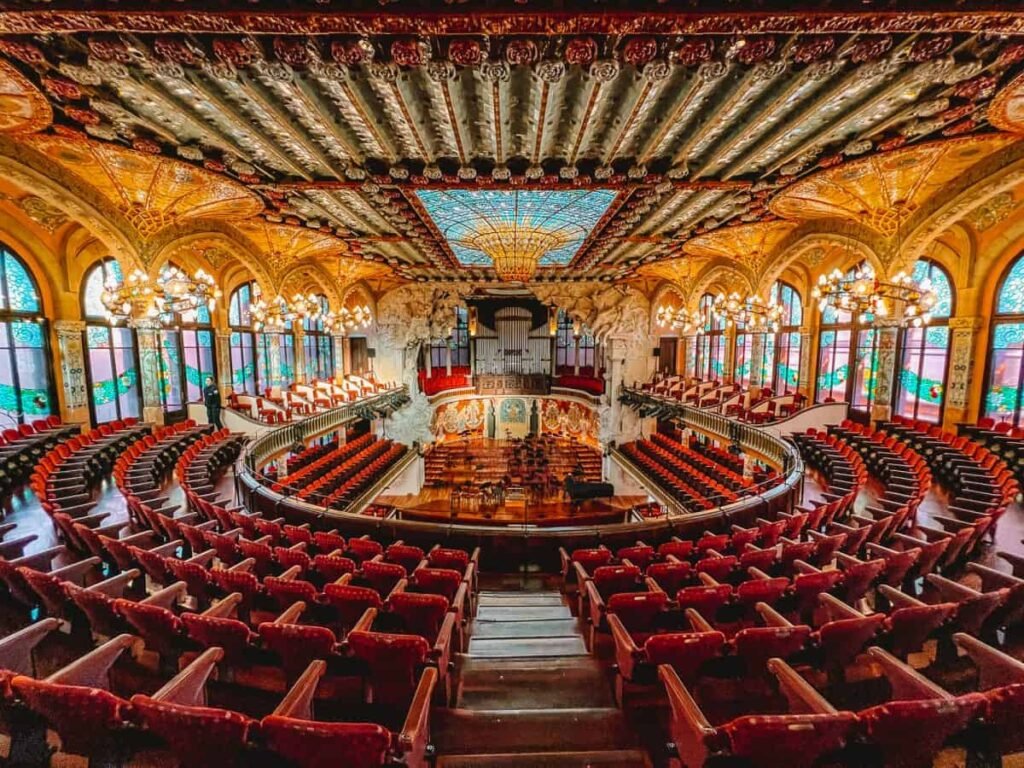
From El Born, walk toward the Palau de la Música Catalana. The journey takes you through more of the old city, giving you another opportunity to explore small squares and side streets.
The concert hall is one of Barcelona’s most striking buildings. Its decorative exterior hints at the richness inside, where stained glass, sculpture, and intricate architectural details surround the performance space.
Choose between a daytime visit and an evening concert, depending on your interests and the schedule. A tour lets you focus on the architecture, while a performance gives you the chance to experience the hall as it was intended to be used.
If you plan to visit the interior, reserve ahead rather than assuming you can walk straight in.
Explore Passeig de Gràcia and Casa Batlló
After a break at your hotel, head to Passeig de Gràcia. This broad avenue combines elegant architecture with designer shops and provides an excellent introduction to the Eixample district.
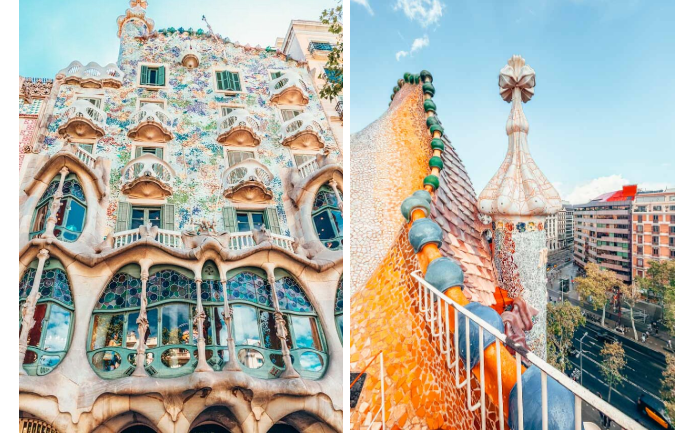
The highlight of this part of the evening is Casa Batlló, one of Antoni Gaudí’s most distinctive creations. Its colorful façade, curved forms, and unusual balconies make it easy to recognize, but the interior deserves just as much attention.
Inside, notice how light, ventilation, and movement are woven into the design. The tiled lightwell and flowing shapes demonstrate how Gaudí combined practical solutions with imaginative details.
Look closely at the roof, where the arrangement of tiles suggests a dragon’s back. Throughout the building, forms inspired by nature give familiar spaces an unexpected character.
Visit formats and evening experiences vary, so choose the ticket that suits your interests. Allow enough time to enjoy the house without rushing toward a dinner reservation.
Finish the Day with Dinner at El Nacional
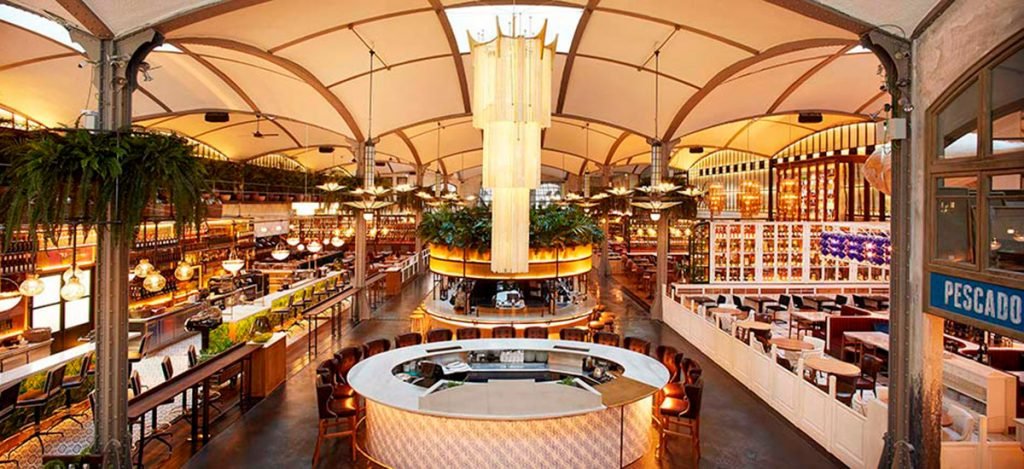
For dinner, consider El Nacional, a dining space near Passeig de Gràcia with several restaurant and bar options under one roof.
Browse the current menus before deciding whether you want tapas, seafood, grilled dishes, or something lighter. The setting makes it a convenient choice when members of your group have different preferences.
End the evening with a relaxed walk or return to your hotel for an early night. Your second day includes more hills and longer transfers.
Day 2: Discover Barcelona’s Hills and Panoramic Views
Start with a Good Breakfast
Today involves more walking and travel between neighborhoods, so begin with a proper breakfast and comfortable shoes.
Praktik Bakery is an option for coffee and freshly baked bread or pastries. For a more substantial brunch, consider EatMyTrip and check its current menu for eggs, pancakes, and other breakfast dishes.
Carry water and leave some flexibility in your schedule. Tibidabo and Montjuïc are on different sides of the city, so this is the busiest day of the itinerary.
Head to Tibidabo for Views and Historic Rides
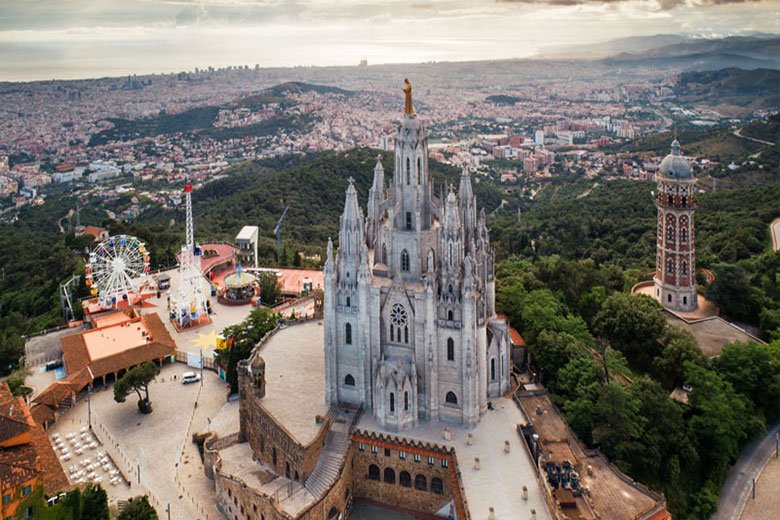
Tibidabo rises above Barcelona and offers a dramatic perspective on the city. Its amusement park combines traditional attractions with panoramic scenery, making it an appealing stop for both families and adults.
Getting there requires a little planning. Check the park’s official transport information for the current funicular and connecting services rather than relying on an old route description. A taxi may simplify part of the journey, but confirm where it can drop you off.
Once at the top, divide your time between the views and the attractions that interest you. You do not have to ride everything to enjoy the setting; simply looking across the city toward the sea can be a highlight.
The amusement park and panoramic area may operate on different schedules. Confirm what will be open on your chosen day before making the journey.
Enjoy Lunch with a View
After your morning on the mountain, choose a convenient place for lunch. Mirabé is one possibility to investigate if you would like a meal overlooking Barcelona.
Check its opening hours, availability, and location in relation to your onward route. A restaurant on a map may appear close while still involving a steep walk or a longer transfer.
Consider sharing a few starters and a rice dish if they are offered on the menu. Lunch is also a useful opportunity to rest before the afternoon’s sightseeing.
If you prefer to keep the day simpler, return to central Barcelona for lunch and continue to Montjuïc from there.
Explore Montjuïc from Plaça d’Espanya
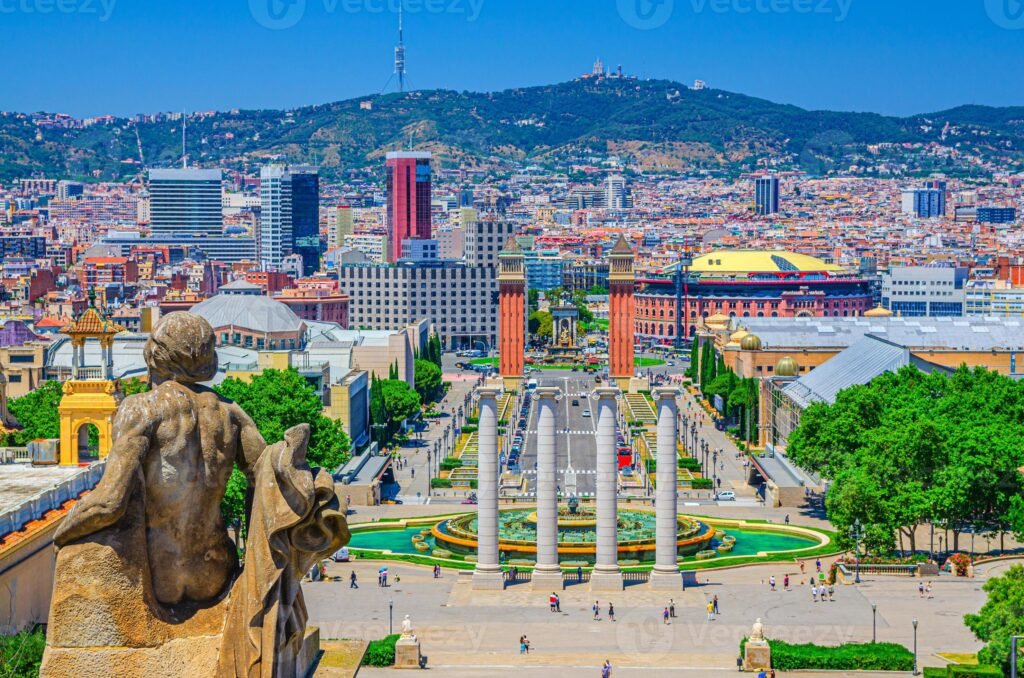
Make your way to Plaça d’Espanya, a useful starting point for exploring Montjuïc. From the square, walk toward the steps and terraces below the Museu Nacional d’Art de Catalunya.
The museum building provides an impressive backdrop, while the terraces offer broad views across Barcelona. Spend time here even if you are not planning to explore the collection.
If art is a priority, consider making the museum your main afternoon activity. Trying to combine a full museum visit with every garden, viewpoint, and historic site on Montjuïc would make the day unnecessarily rushed.
Choose a Garden, the Olympic Area, or Montjuïc Castle
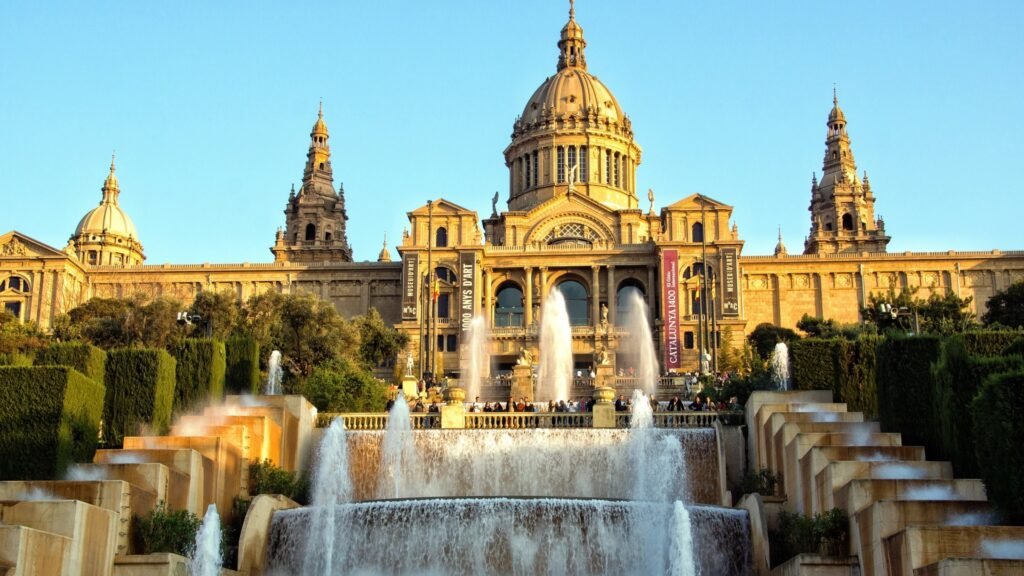
Montjuïc covers a large area, so choose a few places rather than attempting to see everything. Its gardens, sports venues, and historic sites reward a slower approach.
The Olympic area offers a connection with Barcelona’s 1992 Games. Montjuïc Castle provides another reason to continue uphill, while the hill’s green spaces make good places to pause between stops.
Garden enthusiasts can look into the Barcelona Botanical Garden or the Jardins de Mossèn Costa i Llobera. These are separate gardens, so check their locations and opening arrangements before deciding which fits your route.
Use local buses or other available transport when the distances become tiring. Saving your energy can make the evening much more enjoyable.
Watch the Evening Light over Barcelona
As the afternoon ends, return to a viewpoint that suits your route. The terraces near the Museu Nacional d’Art de Catalunya are a popular place to look across the city as the light changes.
Bring water and a light layer if you expect to stay after sunset. The atmosphere varies by season and evening, but the view is reason enough to linger.
If you would like to see a fountain performance nearby, check the official schedule and operating status first. Do not build your evening around a display without confirming that it is running.
Have Dinner by the Waterfront
Finish the day near the harbor. The Time Out Market at Port Vell is one option for choosing among several food vendors in a waterside setting.
Alternatively, head into Barceloneta or return to a favorite neighborhood for dinner. After a full day of sightseeing, convenience may matter more than crossing town for a particular restaurant.
Keep the evening relaxed. Your final day includes one of Barcelona’s most memorable buildings.
Day 3: Visit Pedralbes and the Sagrada Família

Begin with Coffee Close to Your Hotel
Start with breakfast near your accommodation rather than making a special journey across the city. A branch of Syra Coffee may be convenient, or simply choose a local café along your route.
Check your reservation time for the Sagrada Família before setting off. That booking should shape the rest of the day, especially if you have a flight or train to catch afterward.
Spend a Peaceful Morning at the Monastery of Pedralbes
The Monastery of Pedralbes offers a quieter side of Barcelona. Located away from the busiest central streets, the complex provides an opportunity to explore Gothic architecture in a more reflective setting.
The cloister is a highlight. Walk slowly through its galleries and notice how the columns, garden, and changing light create a sense of calm.
The rooms and collections help explain the daily lives of the religious community associated with the monastery. Rather than treating the visit as another quick photo stop, use it as a chance to appreciate a different rhythm of life.
Check the official visiting information for opening days, accessible areas, and any separate arrangements for particular spaces.
Enjoy Lunch in Pedralbes
After your visit, consider lunch nearby before traveling back toward the center. Bistro Mató is one option to check, particularly if you would like to stay in the neighborhood a little longer.
A relaxed lunch works well here, but allow enough time for the transfer to the Sagrada Família. Compare public transport and taxi options based on your exact starting point and appointment time.
Experience the Sagrada Família
The Sagrada Família is the centerpiece of the final day. Gaudí’s extraordinary basilica rewards attention both outside and within, with details that are easy to miss during a hurried visit.
Before entering, look at the façades and notice their contrasting character. Sculptures, religious scenes, and forms inspired by the natural world are woven into the building’s design.
Inside, the branching columns suggest a forest canopy, while stained-glass windows transform daylight into color. The effect changes with the time of day and weather, making light an essential part of the experience.
A guided visit can help explain the symbolism and architectural ideas. An audio guide offers more independence if you prefer to move at your own pace. Choose the format that matches how you like to explore.
Book through the official website well ahead of your visit, especially if your dates are fixed. Check whether your selected ticket includes any extras, such as tower access, and review the conditions before purchasing.
End Your Visit with Tapas
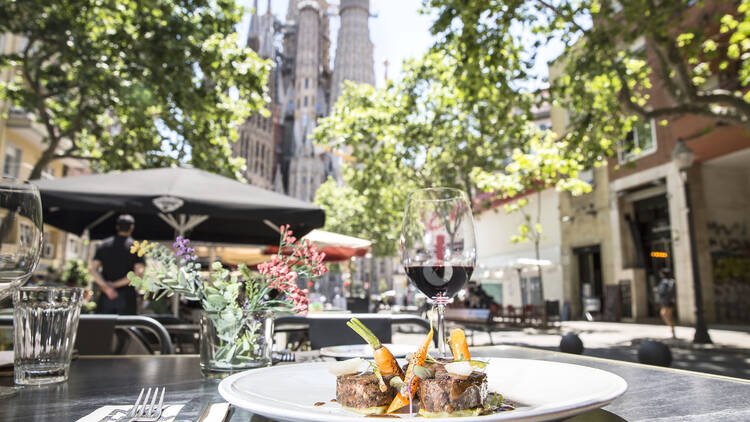
After the basilica, walk along Avinguda de Gaudí and find a place for a final meal. Madre Taberna is one option to consider, subject to its current hours and menu.
Choose a few dishes to share and enjoy a last unhurried taste of the city. Croquettes, prawns, vegetables, and other tapas can turn a simple meal into a satisfying finish to your trip.
If you are leaving Barcelona that evening, collect your luggage with plenty of time to spare. Allow for the journey to the airport or station rather than squeezing one more attraction into the schedule.
Where to Stay for Three Days in Barcelona
Eixample: A Convenient Base for a First Visit
Eixample is a practical choice for this itinerary. Its broad streets, distinctive architecture, and transport connections make it convenient for exploring different parts of Barcelona.
Staying near Passeig de Gràcia or another well-connected metro station can reduce travel time. You will also have restaurants, cafés, and several architectural landmarks within reach.
Compare the exact location of each hotel rather than relying only on the neighborhood name. Eixample is large, and two properties in the same district may offer very different walking distances.
Hotels to Consider in Eixample
Royal Passeig de Gràcia: An option to investigate if you would like to stay on one of Barcelona’s principal avenues. Check current room categories, rooftop access, and rates for your dates.
Praktik Bakery: A hotel to consider if the idea of staying above a bakery appeals to you. Review its location and room options to see whether it fits your trip.
Other Neighborhoods and Accommodation Options
Barceloneta: Consider this area if being near the waterfront is a priority. Hotel 54 Barceloneta is one property to compare with other local options.
Gothic Quarter: A base here puts historic streets close at hand. Hostal Fernando is one option to research, with attention to room type, noise, and accessibility.
Sagrada Família area: Staying near the basilica may suit travelers who prefer a neighborhood base outside the old city. Sercotel Rosellón is one hotel to investigate.
El Born and Ciutadella: This area works well for exploring the first day’s sights and spending time near the park. Motel One Barcelona-Ciutadella is one option to compare.
Before booking, confirm the facilities that matter to you, including elevators, air conditioning, breakfast, luggage storage, and any terrace access. Photographs and amenities can vary by room category.
Practical Tips for Your Barcelona Itinerary
Reserve Your Most Important Attractions First
Start with the Sagrada Família, then arrange the other visits around it. Casa Batlló, the Museu Picasso, and guided experiences may also require advance planning, particularly during busy periods.
Check Opening Days Before Finalizing the Route
This itinerary can be adapted to a weekend or weekday visit, but it should not be treated as independent of opening schedules. Museums, religious sites, amusement attractions, and restaurants may close on particular days.
Allow Time for Transfers
Barcelona’s central neighborhoods are enjoyable to explore on foot, but Tibidabo, Pedralbes, and Montjuïc require more travel time. Check routes in advance and avoid scheduling reservations too close together.
Choose Accommodation Thoughtfully
Barcelona’s popularity affects the people who live there. Use properly authorized accommodation, follow local rules, and be considerate of residential buildings and streets.
A hotel can make a short stay straightforward, particularly when luggage storage and reception support are useful. If you choose another type of accommodation, verify that it complies with current local requirements.
Leave Room to Enjoy the City
The most memorable part of your trip may be a quiet square, an unexpected café, or an evening walk rather than a famous attraction. Keep the main sights you care about, but allow yourself to skip a stop when you would rather linger somewhere else.
With three days, you can experience Barcelona’s art, architecture, food, and panoramic views while still leaving with reasons to return.