

What’s on your Vietnam Adventure Destinations List?
From ancient trading ports and beach cities to street food capitals and energetic urban districts, Vietnam boasts a diverse array of destinations that attract travelers from around the world.
Hoi An, Da Nang, Hanoi, and Ho Chi Minh City top the list for many first-time visitors to Vietnam, but you can also explore golden beaches, eat your way through local markets, cruise through historic neighborhoods, and discover a country known for excellent value, warm hospitality, and unforgettable cultural travel.
This list includes some of the most popular tourist destinations in Vietnam. These famous places attract huge numbers of visitors every year, so if you are the type of traveler who prefers quieter, off-the-beaten-path places, this list may not be for you.
However, these destinations are popular for good reason. With their history, their food, their beaches, their energy, and their cultural significance, these places frequently make the must-see list for many travelers.
Join us as we journey through the top Vietnam adventure destinations and give you tips on exactly how to visit them.
Top Tourist Attractions in Vietnam
In no particular order, here are some of the top tourist destinations in Vietnam to visit.
Hoi An
Let’s get started with one of the most atmospheric destinations in Vietnam.
Hoi An is a UNESCO-listed ancient town and one of the most beautiful places to visit in central Vietnam. Its old streets are lined with yellow merchant houses, wooden shopfronts, colorful lanterns, tailor shops, temples, cafés, and riverside restaurants. At night, the town becomes especially magical, as lanterns glow above the streets and small boats drift along the Thu Bon River.
Hoi An’s cultural significance comes from its history as a Southeast Asian trading port from the 15th to the 19th century. UNESCO describes Hoi An Ancient Town as an exceptionally well-preserved example of a traditional trading port, with local and foreign influences reflected in its buildings and street plan.
This is also one of the best places in Vietnam for travelers who want excellent value. Boutique hotels, local meals, bicycle rentals, cooking classes, and tailor-made clothing can often feel affordable compared with many major international destinations. Hoi An works well for slow travel because the best moments are often simple: walking by the river, eating cao lau, cycling to the rice fields, or watching the lanterns come on after sunset.
How to Visit Hoi An
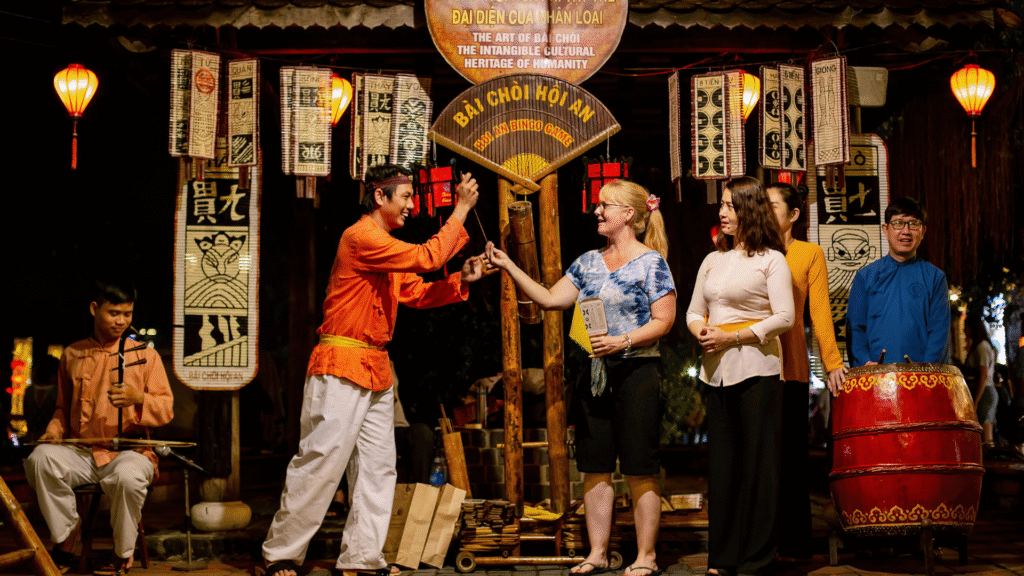
Location: Central Vietnam, near Da Nang.
Top Experiences: Walk through Hoi An Ancient Town, visit the Japanese Covered Bridge area, take a lantern-lit boat ride, join a Vietnamese cooking class, bike through rice fields, visit An Bang Beach, and explore the night market.
Famous Foods: Cao lau, white rose dumplings, banh mi, mi Quang, chicken rice, and fresh spring rolls.
Cost of Living: Hoi An is generally considered a lower-cost destination for travelers, especially if you stay in guesthouses, eat local food, and explore by bicycle. Recent travel cost guides place Hoi An and Da Nang among Vietnam’s more affordable bases for longer stays.
Safety: Hoi An is generally comfortable for visitors, but normal travel awareness still matters. In Vietnam’s tourist areas, petty theft such as pickpocketing and bag snatching can occur, especially in crowded streets and markets.
Cultural Significance: Hoi An is one of Vietnam’s best places to understand the country’s historic role in regional trade. Its architecture reflects Vietnamese, Chinese, Japanese, and European influences, making it much more than a pretty lantern town.
Hoi An 5-Day Itinerary
Hoi An is one of Vietnam’s most atmospheric destinations, known for its lantern-lit Ancient Town, riverside cafés, tailor shops, cooking classes, nearby beaches, and countryside bike rides. It is also one of the easiest places in Vietnam to slow down and enjoy excellent value, especially if you love walking, street food, handmade goods, and cultural travel. Hoi An Ancient Town is recognized by UNESCO as a well-preserved historic trading port, with architecture shaped by Vietnamese, Chinese, Japanese, and European influences.
Day 1: Arrive and Explore Hoi An Ancient Town
Start your first day in Hoi An Ancient Town, the heart of the destination. Walk through the yellow-painted streets, visit old merchant houses, browse small shops, and get familiar with the riverfront. Spend time around the Japanese Covered Bridge area and the old assembly halls, then stop for Vietnamese coffee or fresh juice at a local café.
In the evening, return to the Ancient Town after sunset. This is when Hoi An becomes especially memorable. Lanterns glow above the streets, boats move along the Thu Bon River, and the whole town takes on a soft, golden atmosphere. Have dinner near the river and try your first bowl of cao lau, one of Hoi An’s most famous foods.
Famous foods to try: Cao lau, white rose dumplings, chicken rice, banh mi.
Day 2: Cooking Class, Market Visit, and Lantern Night
Use your second day to experience Hoi An through food. Start with a morning market visit, where you can see herbs, rice noodles, seafood, tropical fruit, and local ingredients being sold. Then join a Vietnamese cooking class. Many classes include a market tour, a boat ride, or a countryside stop before the cooking begins.
In the afternoon, take a break at your hotel or visit one of Hoi An’s tailor shops if you want custom clothing made. Hoi An is famous for tailoring, and many travelers use the city as a place to order dresses, suits, linen outfits, or simple travel clothes.
At night, walk through the lantern market. This is one of the most famous experiences in town and a great way to enjoy Hoi An’s cultural significance without rushing.
Cultural significance: Hoi An’s food and architecture reflect centuries of trade and cultural exchange.
Day 3: Bicycle Ride Through Rice Fields and Local Villages
Spend your third day outside the Ancient Town. Rent a bicycle or book a guided bike tour through the surrounding countryside. Hoi An is ideal for slow travel because flat roads, rice fields, small villages, and riverside paths are all close to the center.
Ride past rice paddies, vegetable gardens, water buffalo, and quiet homes. Stop for lunch at a local restaurant or cooking school. Many travelers also visit Tra Que Vegetable Village, where herbs and greens are grown for local kitchens.
In the late afternoon, return to town and relax with a massage, coffee, or riverside walk. For dinner, try mi Quang or another regional noodle dish.
Cost of living note: Hoi An can offer excellent value because many of its best experiences—walking, cycling, markets, street food, and beach visits—are inexpensive compared with major global destinations.
Day 4: An Bang Beach and Riverside Evening
Dedicate day four to the beach. Head to An Bang Beach, one of the easiest coastal escapes from Hoi An. Spend the morning swimming, walking along the sand, or relaxing at a beach café. This is a good day to slow the pace, especially if you have been moving quickly through Vietnam.
For lunch, try fresh seafood or a simple Vietnamese meal near the water. In the afternoon, return to your hotel to rest before another evening in town.
At night, enjoy a more relaxed dinner and revisit your favorite part of the Ancient Town. Hoi An is the kind of place where repetition feels rewarding because the atmosphere changes from morning to afternoon to night.
Safety tip: Keep valuables secure at the beach and avoid leaving phones or bags unattended while swimming.
Day 5: My Son Sanctuary or Final Cultural Day
For your final day, take a half-day trip to My Son Sanctuary, an important Cham cultural site located outside Hoi An. This adds deeper historical context to your visit and gives you a look at central Vietnam’s older religious and architectural traditions.
If you prefer a slower final day, stay in Hoi An and visit any historic houses, temples, or museums you missed. You can also use this day for last-minute tailoring fittings, souvenir shopping, or one final riverside meal.
End your Hoi An itinerary with a lantern-lit walk through the Ancient Town. It is touristy, yes, but it remains one of Vietnam’s most memorable travel scenes.
Da Nang
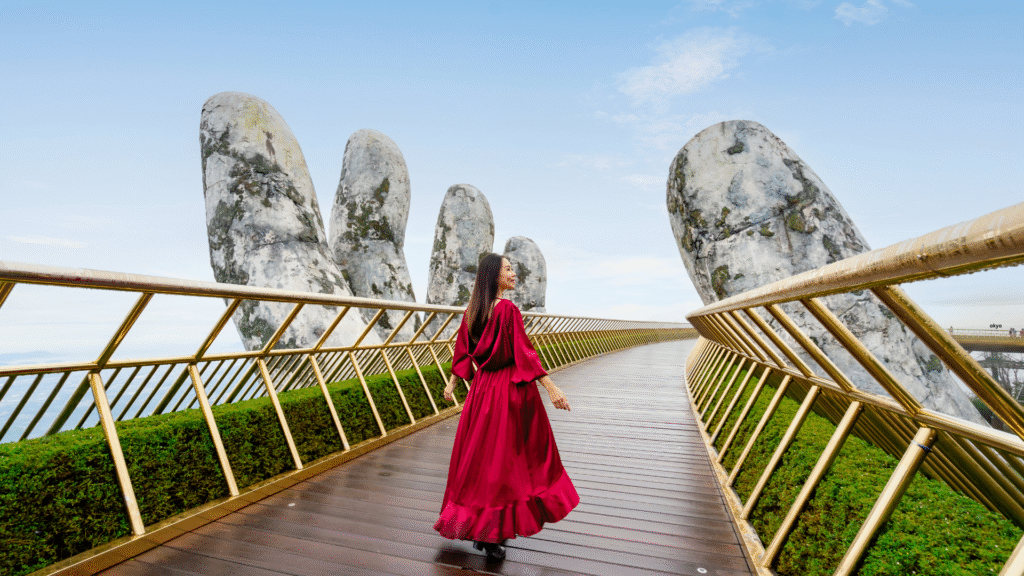
Da Nang is where beach life, city convenience, and central Vietnam adventure come together.
For many travelers, Da Nang is one of the best-value beach destinations in Asia. It has long stretches of sand, modern hotels, great street food, easy access to Hoi An, and day trips to mountains, pagodas, caves, and coastal viewpoints. The city feels more relaxed than Hanoi or Ho Chi Minh City, but it still has enough restaurants, cafés, markets, and nightlife to keep a trip interesting.
The main reason many travelers come here is the beach. My Khe Beach is one of Da Nang’s most famous coastal areas, and Vietnam’s tourism site describes the warm sands of My Khe sweeping south from the Son Tra Peninsula. Much of the beach remains a public gathering place where locals exercise, swim, relax, and enjoy daily life.
Da Nang is also an excellent base for adventure. You can visit the Marble Mountains, ride over the Hai Van Pass, explore Son Tra Peninsula, see the Dragon Bridge at night, or take a day trip to Ba Na Hills. What makes Da Nang special is how easily it combines beach relaxation with cultural travel and great food.
How to Visit Da Nang
Location: Central Vietnam, between Hoi An and Hue.
Top Experiences: Relax on My Khe Beach, visit Marble Mountains, explore Son Tra Peninsula, see the Dragon Bridge, ride the Hai Van Pass, enjoy rooftop cafés, and take day trips to Hoi An or Hue.
Famous Foods: Mi Quang, banh xeo, bun cha ca, seafood hotpot, grilled seafood, and Vietnamese coffee.
Cost of Living: Da Nang is known for excellent value, especially for travelers who want beaches without resort-only prices. Recent 2026 cost guides estimate budget travelers can manage Da Nang on roughly $25–$45 per day, while mid-range travelers may spend more for better hotels, restaurants, and transport.
Safety: Da Nang is generally considered an easy city for visitors, but road safety is important. Canadian travel advice warns that drivers in Vietnam do not always respect traffic laws and that motorbikes may drive against traffic or on sidewalks.
Cultural Significance: Da Nang is a modern coastal city, but it also connects travelers to central Vietnam’s deeper history. From Cham heritage to nearby old trading ports and imperial sites, Da Nang works as a gateway to some of the country’s most important cultural regions.
Da Nang 5-Day Itinerary
Da Nang is one of Vietnam’s best-value coastal cities, offering beaches, mountains, bridges, seafood, cafés, and easy access to Hoi An and Hue. It works especially well for travelers who want a mix of beach relaxation and adventure. My Khe Beach is one of the city’s most famous coastal areas, and Da Nang is also a convenient base for the Marble Mountains, Son Tra Peninsula, Dragon Bridge, and scenic day trips.
Day 1: My Khe Beach and Dragon Bridge
Start your Da Nang itinerary with the beach. Spend the morning at My Khe Beach, one of the most accessible and popular beaches in the city. Walk along the sand, swim if conditions are calm, or simply enjoy the relaxed coastal atmosphere.
In the afternoon, visit a local café or explore the riverfront area. Da Nang has a growing café culture, and it is a great place to try Vietnamese iced coffee or coconut coffee.
In the evening, head toward the Dragon Bridge. If you are visiting on a weekend night, check the bridge show schedule, as the dragon often breathes fire and water on certain evenings. Afterward, have dinner nearby and try mi Quang, one of central Vietnam’s most famous noodle dishes.
Famous foods to try: Mi Quang, banh xeo, seafood, bun cha ca.
Day 2: Marble Mountains and Beach Afternoon
Spend your second day visiting the Marble Mountains, one of Da Nang’s most popular attractions. Explore caves, pagodas, viewpoints, and stone stairways. Go early if you want to avoid the hottest part of the day.
After visiting the Marble Mountains, return toward the coast for lunch. This is a great time to enjoy grilled seafood, fish noodle soup, or a simple beachside meal.
Use the afternoon for another beach session or a slow café break. Da Nang is not a city that needs to be rushed. One of its biggest strengths is the way it combines easy sightseeing with downtime.
Safety tip: Wear comfortable shoes at the Marble Mountains because steps can be uneven and slippery in places.
Day 3: Son Tra Peninsula and Lady Buddha
On day three, visit Son Tra Peninsula, a scenic area known for ocean views, forested roads, and the large Lady Buddha statue at Linh Ung Pagoda. This is one of the best places near Da Nang for a mix of natural scenery and spiritual atmosphere.
Spend the morning exploring viewpoints and temple grounds. If you are comfortable with mountain roads, you can arrange a private car, guided trip, or scooter ride. The views over Da Nang and the coastline can be beautiful on a clear day.
Return to the city in the afternoon and rest before dinner. For the evening, visit a seafood restaurant or explore the night market area.
Cultural significance: Da Nang connects modern coastal Vietnam with nearby Cham, Buddhist, imperial, and trading-port history.
Day 4: Hai Van Pass or Hue Day Trip
Use day four for a bigger adventure. One option is to travel the Hai Van Pass, one of Vietnam’s most scenic coastal routes. You can do this by private car, guided motorbike tour, or train route depending on your comfort level.
Another option is a day trip to Hue, the former imperial capital. From Da Nang, Hue can be reached by road or rail, and many travelers visit the Imperial City, pagodas, royal tombs, and riverside areas.
Return to Da Nang in the evening and keep dinner simple. After a full day of travel, a bowl of noodles or seafood near your hotel may be all you need.
Day 5: Beach, Markets, and Final Da Nang Night
Keep your final day flexible. Start with sunrise or an early walk along My Khe Beach. Da Nang’s beaches are especially atmospheric in the morning, when locals exercise, swim, and gather along the shoreline.
Later, visit a local market for snacks, fruit, coffee, or souvenirs. Spend the afternoon relaxing before one last evening in the city.
For your final dinner, try a central Vietnam food crawl: mi Quang, banh xeo, grilled seafood, and Vietnamese iced coffee. Da Nang’s excellent value makes it easy to eat well without overspending.
Cost of living note: Da Nang is often considered one of Vietnam’s best-value city-and-beach bases because travelers can combine affordable hotels, local food, beaches, and day trips in one destination.
Hanoi
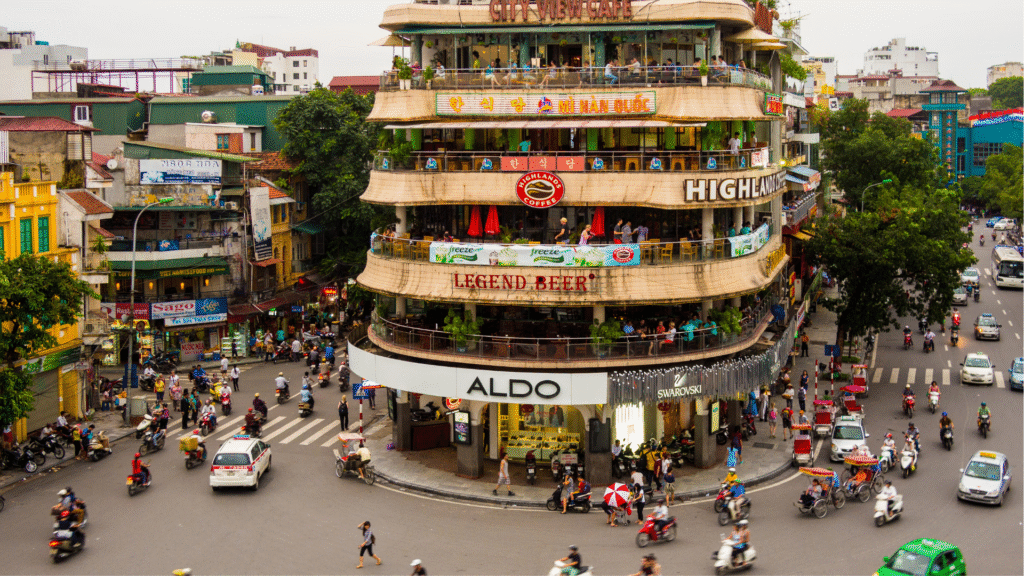
Hanoi is one of the most fascinating cities in Southeast Asia.
Vietnam’s capital is busy, layered, historic, and full of character. It is a place where motorbikes flow around old colonial buildings, street vendors serve steaming bowls of noodles at sunrise, and narrow lanes in the Old Quarter feel like they have been shaped by centuries of trade, craft, and daily life.
For travelers who love street food, Hanoi is one of the best destinations in Vietnam. The city is famous for pho, bun cha, egg coffee, banh cuon, xoi, and countless noodle shops hidden in plain sight. Vietnam’s official tourism site notes that some of the best street food experiences happen early in the morning near markets, when vendors serve noodle bowls, rice porridge, and sticky rice to locals heading into the day.
Hanoi also has enormous cultural significance. This is where you can visit the Temple of Literature, Hoan Kiem Lake, the Old Quarter, the French Quarter, the Ho Chi Minh Mausoleum area, and traditional water puppet performances. It can feel intense at first, especially with the traffic and noise, but once you settle in, Hanoi becomes one of Vietnam’s most rewarding cities.
How to Visit Hanoi
Location: Northern Vietnam.
Top Experiences: Explore the Old Quarter, walk around Hoan Kiem Lake, visit the Temple of Literature, try egg coffee, take a street food tour, see a water puppet show, visit the Ho Chi Minh Mausoleum area, and use Hanoi as a gateway to Ha Long Bay, Ninh Binh, or Sapa.
Famous Foods: Pho, bun cha, egg coffee, banh cuon, cha ca, xoi, bun thang, and fresh spring rolls.
Cost of Living: Hanoi offers excellent value for food, local transportation, cafés, and guesthouses, though prices vary widely depending on neighborhood and travel style. Some 2026 cost-of-living estimates place Hanoi slightly higher than Da Nang but still affordable by international city standards.
Safety: Hanoi is generally popular with tourists, but crowded streets, markets, and tourist zones require awareness. Petty crime such as pickpocketing and bag snatching is a known issue in larger Vietnamese cities.
Cultural Significance: Hanoi is one of the best places to understand Vietnam’s political, literary, culinary, and colonial history. The city’s old streets, temples, lakes, and food traditions give it a depth that rewards travelers who stay longer than a day or two.
Hanoi 5-Day Itinerary
Hanoi is Vietnam’s capital and one of the country’s most culturally rich cities. It is busy, historic, poetic, chaotic, and rewarding. The Old Quarter, Hoan Kiem Lake, Temple of Literature, water puppet shows, cafés, street food stalls, and French colonial architecture make Hanoi one of the best places to understand Vietnam’s past and present.
Day 1: Old Quarter and Hoan Kiem Lake
Begin in the Old Quarter, where narrow streets, shopfronts, motorbikes, temples, and food stalls create one of Vietnam’s most memorable urban experiences. Walk slowly and let yourself get a little lost. Each street has its own rhythm, and the area is best experienced on foot.
Continue to Hoan Kiem Lake, one of Hanoi’s most beloved public spaces. Visit Ngoc Son Temple, cross the red bridge, and watch local life unfold around the water.
In the evening, eat your first classic Hanoi meal. Try pho, bun cha, or banh cuon. End the night with egg coffee, one of Hanoi’s signature café experiences.
Famous foods to try: Pho, bun cha, egg coffee, banh cuon, cha ca.
Day 2: Temple of Literature and French Quarter
Spend day two exploring Hanoi’s cultural and architectural landmarks. Start at the Temple of Literature, one of the city’s most important historic sites and a symbol of education and scholarship. Then continue to nearby museums or colonial-era neighborhoods.
In the afternoon, walk through the French Quarter, where broad streets, old villas, and grand buildings show another layer of Hanoi’s history. Stop at a café and try Vietnamese coffee, coconut coffee, or tea.
In the evening, attend a traditional water puppet show, a popular cultural performance rooted in northern Vietnamese traditions.
Cultural significance: Hanoi is one of the best places to understand Vietnam’s literary, political, colonial, and culinary history.
Day 3: Ho Chi Minh Mausoleum Area and Museums
Use your third day for the Ba Dinh district and important national sites. Visit the Ho Chi Minh Mausoleum area, the Presidential Palace grounds, One Pillar Pagoda, and nearby museums depending on your interests.
This day gives deeper context to Vietnam’s modern history. Move slowly and respectfully, especially around official and memorial sites.
In the afternoon, visit the Vietnam Museum of Ethnology or another museum that helps explain Vietnam’s cultural diversity. Hanoi is not only about city streets and food; it is also a gateway to understanding the country’s many regions and communities.
For dinner, try cha ca, a famous Hanoi turmeric fish dish, or return to the Old Quarter for street food.
Day 4: Street Food Tour and Local Markets
Day four is for food. Start early at a local market or breakfast stall. Morning food culture is one of the best ways to experience Hanoi, when vendors serve noodle soups, rice dishes, sticky rice, and coffee to locals beginning the day.
Book a guided street food tour or create your own route through the Old Quarter. Try bun cha, pho, nem, sticky rice, fresh spring rolls, and egg coffee. A guided tour can be helpful because Hanoi’s best food is not always obvious from the outside.
In the evening, visit Ta Hien Street or a bia hoi corner for a casual look at Hanoi nightlife.
Safety tip: Hanoi is generally popular with tourists, but keep your phone and bag secure in crowded markets and busy streets.
Day 5: Ninh Binh or Ha Long Bay Day Trip
Use your final day for a day trip. If you want dramatic landscapes, choose Ninh Binh, known for limestone karsts, boat rides, temples, and countryside views. If you want Vietnam’s famous seascape, choose Ha Long Bay or Lan Ha Bay, though this can feel rushed as a day trip.
Return to Hanoi in the evening and enjoy one final bowl of pho or bun cha. After five days, Hanoi may still feel intense, but it is often the kind of city travelers appreciate more with every passing day.
Cost of living note: Hanoi offers excellent value for food, cafés, walking tours, local transportation, and guesthouses, especially if you balance paid attractions with free neighborhood exploring.
Ho Chi Minh City
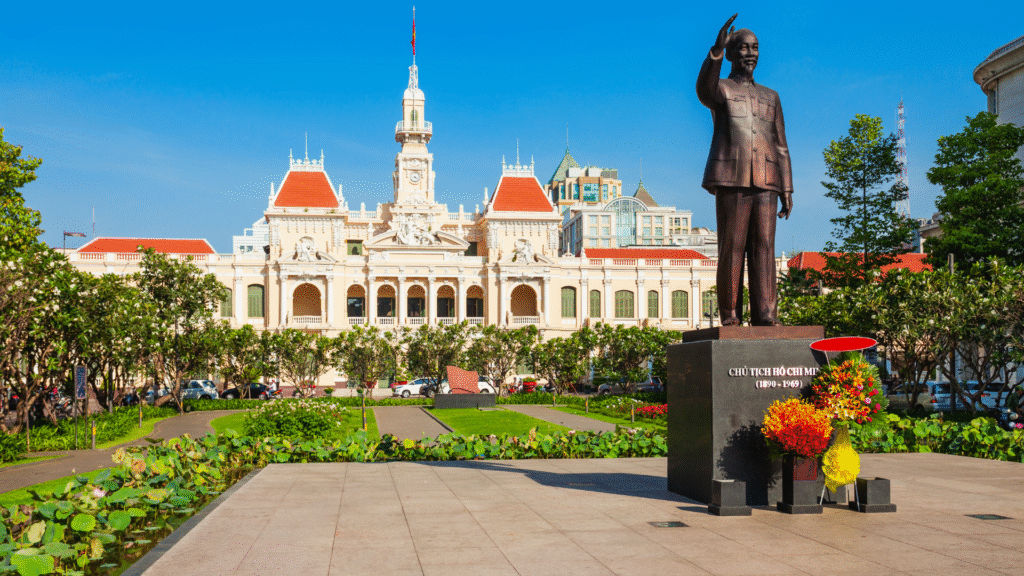
Ho Chi Minh City is Vietnam at full speed.
Formerly known as Saigon, this is the country’s largest and most energetic city, a place of rooftop bars, historic landmarks, scooter-filled boulevards, street food stalls, markets, cafés, and fast-changing neighborhoods. If Hanoi feels old and poetic, Ho Chi Minh City feels bold, commercial, youthful, and constantly in motion.
For food lovers, the city is a paradise. You can eat banh mi from a street cart, sit down for com tam, try southern-style pho, visit Ben Thanh Market, explore local wet markets, or spend an evening hopping between street food stalls. Recent travel writing continues to highlight Ho Chi Minh City as a major street food destination, where visitors can begin with classic Vietnamese dishes before moving into more modern dining.
The city also has deep cultural and historical significance. The War Remnants Museum, Reunification Palace, Notre-Dame Cathedral Basilica area, Central Post Office, and Cu Chi Tunnels all help travelers understand Vietnam’s complex 20th-century history. This is not always light sightseeing, but it is important, memorable, and often moving.
How to Visit Ho Chi Minh City
Location: Southern Vietnam.
Top Experiences: Visit Ben Thanh Market, tour the War Remnants Museum, see Reunification Palace, explore the Central Post Office area, take a street food tour, visit rooftop bars, cruise the Saigon River, and take a day trip to the Cu Chi Tunnels or Mekong Delta.
Famous Foods: Banh mi, com tam, pho, hu tieu, banh xeo, bo la lot, goi cuon, and Vietnamese iced coffee.
Cost of Living: Ho Chi Minh City is often more expensive than smaller Vietnamese cities, but it still offers strong value compared with many major global cities. Budget travelers can keep costs low with street food and simple accommodation, while mid-range travelers will find many boutique hotels and modern apartments. Vietnam-wide 2026 estimates suggest frugal single expats may spend around $800–$1,200 per month, while city-specific estimates often place Ho Chi Minh City above Da Nang and Hoi An.
Safety: Ho Chi Minh City is exciting and heavily visited, but it is also a place to be alert with phones, bags, and wallets. Larger cities in Vietnam see petty crime, and bag snatching from passing motorbikes is a known risk.
Cultural Significance: Ho Chi Minh City is one of the best places to understand modern Vietnam. It blends colonial-era architecture, wartime history, southern food culture, entrepreneurial energy, and a rapidly growing skyline.
Ho Chi Minh City 5-Day Itinerary
Ho Chi Minh City, still often called Saigon, is Vietnam at full speed. It is energetic, commercial, historic, youthful, and full of food. This is the place for rooftop views, museums, markets, French colonial architecture, street food, cafés, and day trips to the Cu Chi Tunnels or Mekong Delta.
Day 1: District 1 Landmarks and Ben Thanh Market
Begin in District 1, the city’s central area. Visit the Central Post Office, the Notre-Dame Cathedral area, Nguyen Hue Walking Street, and nearby colonial-era landmarks. Even if some buildings are under restoration, the area gives a strong first impression of the city’s history and energy.
In the afternoon, visit Ben Thanh Market. Browse souvenirs, coffee, snacks, textiles, and local food stalls. This is touristy, but it is also a classic first-time Ho Chi Minh City stop.
In the evening, try southern Vietnamese food such as com tam, banh mi, or southern-style pho. End the night with a rooftop view if you want to see the city from above.
Famous foods to try: Banh mi, com tam, hu tieu, pho, banh xeo, Vietnamese iced coffee.
Day 2: War Remnants Museum and Reunification Palace
Dedicate day two to history. Start at the War Remnants Museum, one of the city’s most powerful and sobering attractions. This is not light sightseeing, but it is important for understanding Vietnam’s 20th-century history.
Continue to Reunification Palace, another major landmark tied to the end of the Vietnam War. Walk through the rooms, underground areas, and historic displays.
In the afternoon, take a break at a café. Ho Chi Minh City has a strong café culture, from old-style coffee shops to hidden modern cafés in apartment buildings.
In the evening, explore a street food neighborhood or book a guided food tour by scooter or walking route.
Cultural significance: Ho Chi Minh City is one of the best places to understand modern Vietnam, wartime memory, southern food culture, and the country’s fast-changing urban identity.
Day 3: Cu Chi Tunnels Day Trip
Use day three for the Cu Chi Tunnels, one of the most famous day trips from Ho Chi Minh City. The tunnel network gives visitors insight into wartime tactics, underground life, and the difficulty of conflict in the region.
This is usually a half-day or full-day tour depending on the route and stops. Go with a knowledgeable guide if possible, because the experience is much more meaningful with historical context.
Return to the city in the afternoon and rest. For dinner, try bo la lot, banh xeo, or hu tieu. If you want nightlife, visit a rooftop bar, live music spot, or walking street area.
Safety tip: Ho Chi Minh City is exciting but busy. Watch for bag snatching and keep phones secure near roads, especially when motorbikes are passing close by.
Day 4: Cholon, Markets, and Local Neighborhoods
Spend day four in Cholon, the city’s historic Chinatown district. Visit temples, markets, traditional medicine streets, and local restaurants. This area gives a different view of the city from the polished center of District 1.
Have lunch in or near Cholon and try Chinese-Vietnamese dishes or noodle soups. In the afternoon, explore more local neighborhoods or visit the Fine Arts Museum.
In the evening, return to central Saigon for a relaxed dinner. This is a good night to try a street food crawl, moving between banh mi, grilled meats, fresh rolls, and Vietnamese desserts.
Day 5: Mekong Delta or Final Saigon Food Day
For your final day, choose between a Mekong Delta day trip or a food-and-café day in the city.
A Mekong Delta day trip usually includes boat rides, river scenery, local workshops, fruit tasting, and village stops. It can be touristy, but it is still a useful way to see a different side of southern Vietnam.
If you prefer to stay in the city, spend the day revisiting your favorite neighborhoods, shopping for coffee or souvenirs, and eating a final round of Saigon classics.
Cost of living note: Ho Chi Minh City can cost more than smaller Vietnamese destinations, but it still offers excellent value if you use local food, simple hotels, and public or ride-hailing transport.
Vietnam’s Street Food Scene
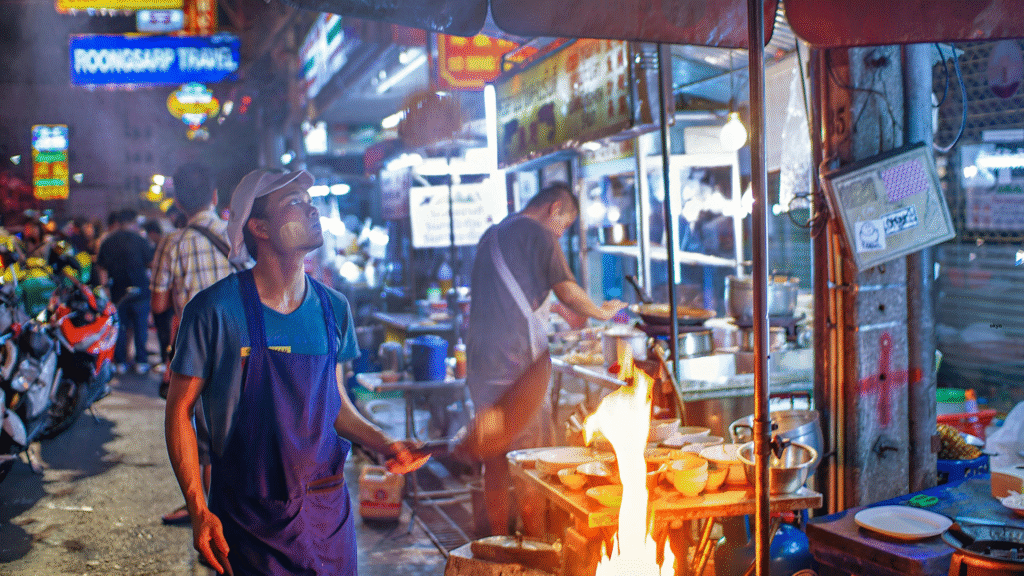
Vietnam’s street food scene deserves a place on any adventure destinations list.
This is one of the great joys of traveling through the country. You can sit on a tiny plastic stool in Hanoi with a bowl of pho, eat banh mi in Ho Chi Minh City, try cao lau in Hoi An, or enjoy mi Quang in Da Nang. Food is not just something you fit between sightseeing stops. In Vietnam, food is one of the main experiences.
The best part is the value. Street food lets travelers eat local dishes at very affordable prices, while also experiencing daily life up close. A simple bowl of noodles or a freshly made sandwich can be just as memorable as a restaurant meal. Recent Vietnam travel cost guides still describe street food as one of the most affordable ways to eat, with many classic dishes commonly priced around a few U.S. dollars or less depending on the city and vendor.
Street food is also culturally significant. Recipes are passed down through families, neighborhoods become known for specific dishes, and morning markets reveal how deeply food is woven into daily routines. This is where Vietnam feels most immediate, flavorful, and alive.
How to Experience Vietnamese Street Food
Location: Throughout Vietnam, especially Hanoi, Ho Chi Minh City, Hoi An, Da Nang, Hue, and local markets.
Top Experiences: Take a guided street food tour, visit morning markets, try regional noodle dishes, eat at busy local stalls, sample Vietnamese coffee, and compare northern, central, and southern flavors.
Famous Foods: Pho, banh mi, bun cha, cao lau, mi Quang, banh xeo, com tam, bun bo Hue, egg coffee, and fresh spring rolls.
Cost of Living: Street food is one of the reasons Vietnam offers excellent value. It helps travelers keep daily costs low while still enjoying some of the country’s most famous dishes.
Safety: Choose busy stalls with high turnover, watch how food is handled, drink bottled or filtered water, and be cautious with raw ingredients if you have a sensitive stomach.
Cultural Significance: Vietnamese street food reflects regional identity. Hanoi’s bun cha, Hoi An’s cao lau, Da Nang’s mi Quang, and Ho Chi Minh City’s banh mi culture all tell a different story about place, history, and local taste.
Vietnam Street Food 5-Day Itinerary
Vietnam’s street food scene can easily become the main reason for your trip. Each region has its own dishes, flavors, textures, herbs, and cooking traditions. Hanoi is famous for pho, bun cha, and egg coffee. Hoi An is known for cao lau and white rose dumplings. Da Nang is loved for mi Quang and seafood. Ho Chi Minh City is a paradise for banh mi, com tam, hu tieu, and southern-style street food.
Day 1: Hanoi Breakfast and Old Quarter Food
Start in Hanoi, one of Vietnam’s best street food cities. Begin early with pho or xoi, then walk through the Old Quarter to see morning vendors setting up for the day.
For lunch, try bun cha, the grilled pork and noodle dish strongly associated with Hanoi. In the afternoon, stop for egg coffee, a rich and creamy Hanoi specialty.
At night, take a guided Old Quarter street food tour. This helps you find small stalls that might be easy to miss on your own.
Day 2: Hanoi Markets and Traditional Dishes
Use your second day to go deeper into northern Vietnamese flavors. Visit a local market in the morning and try banh cuon, steamed rice rolls often served with herbs and dipping sauce.
For lunch, try cha ca, turmeric fish with dill and noodles. In the afternoon, explore cafés, fruit vendors, and dessert stalls.
In the evening, find a bia hoi corner and pair light local beer with simple snacks. This is less about luxury and more about daily life.
Safety tip: Choose busy stalls with high turnover and avoid raw foods if you have a sensitive stomach.
Day 3: Hoi An Specialties
Travel to Hoi An and make the day about central Vietnamese food. Start with banh mi, since Hoi An is famous for excellent versions of this Vietnamese sandwich.
For lunch, try cao lau, the town’s signature noodle dish. In the afternoon, join a cooking class or market tour to learn how local herbs, noodles, and sauces are used.
At night, visit the lantern market and try white rose dumplings, grilled skewers, pancakes, or sweet desserts.
Cultural significance: Food in Hoi An reflects the town’s trading-port history and regional identity.
Day 4: Da Nang Seafood and Mi Quang
Spend day four in Da Nang. Start with Vietnamese coffee near the beach, then try mi Quang, a central Vietnam noodle dish with turmeric noodles, herbs, peanuts, rice crackers, and rich broth.
In the afternoon, relax at My Khe Beach before heading out for seafood. Da Nang is one of the easiest places in Vietnam to enjoy fresh grilled seafood without leaving the city.
At night, visit a local night market or casual restaurant area and try banh xeo, grilled seafood, and fresh spring rolls.
Day 5: Ho Chi Minh City Street Food Finale
End your street food itinerary in Ho Chi Minh City. Start with banh mi or com tam, broken rice often served with grilled pork, egg, pickles, and fish sauce.
For lunch, try hu tieu, a southern noodle soup, or banh xeo, a crispy Vietnamese pancake. In the afternoon, visit Ben Thanh Market or a local market for snacks, coffee, and fruit.
At night, book a scooter food tour or create your own street food crawl. Ho Chi Minh City is fast, flavorful, and ideal for a final food-focused night.
Excellent value: Street food is one of the best ways to keep Vietnam travel affordable while still eating some of the country’s most famous dishes.
Vietnam’s Beaches
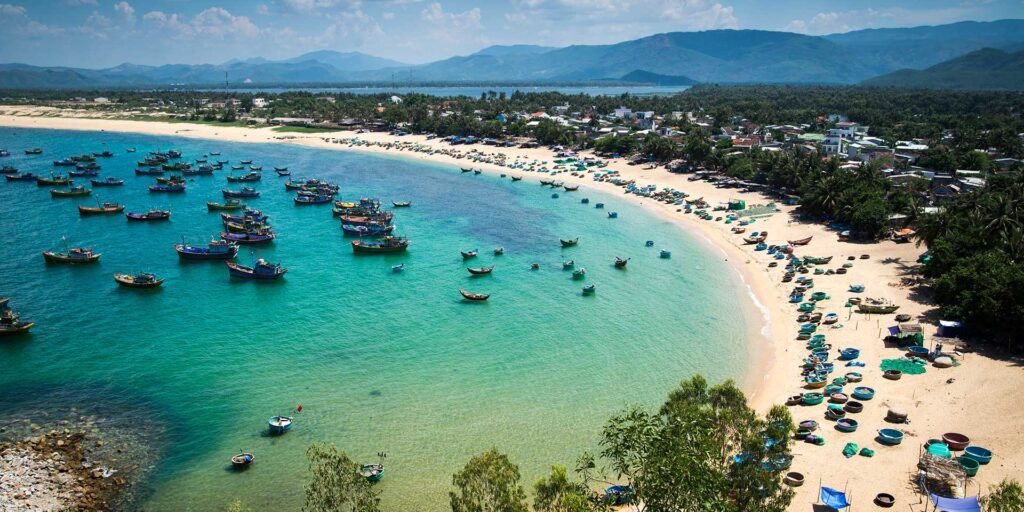
Vietnam’s beaches are often underrated by first-time visitors.
Many travelers arrive focused on cities, food, history, and cultural sights, but the country also has a long coastline with beach towns, islands, fishing villages, surf spots, resorts, and casual seaside escapes. Da Nang is one of the easiest beach cities to visit, but it is only the beginning.
For a classic central Vietnam beach experience, My Khe Beach in Da Nang is convenient, wide, and easy to combine with city sightseeing. Near Hoi An, An Bang Beach gives travelers a more relaxed coastal stop with restaurants and cafés. Further south, Nha Trang offers a busier resort atmosphere, while Phu Quoc is known for island beaches and sunsets.
The appeal of Vietnam’s beaches is the combination of cost and variety. You can stay at a simple guesthouse, eat seafood near the water, rent a scooter, or choose a higher-end resort if you want more comfort. This flexibility makes Vietnam an excellent-value beach destination.
How to Visit Vietnam’s Beaches
Location: Central and southern Vietnam, including Da Nang, Hoi An, Nha Trang, Mui Ne, Quy Nhon, and Phu Quoc.
Top Experiences: Swim at My Khe Beach, relax at An Bang Beach, eat grilled seafood, take a coastal motorbike route, visit island beaches, watch sunrise over the water, and combine beach days with cultural sightseeing.
Famous Foods: Grilled seafood, fish noodle soup, mi Quang, fresh spring rolls, banh xeo, tropical fruit, and Vietnamese iced coffee.
Cost of Living: Beach costs vary widely. Da Nang and Hoi An can be very good value, while island resorts and luxury beachfront hotels cost more. Budget-conscious travelers can keep costs lower by staying slightly away from the beach and eating local food.
Safety: Swim where locals swim, pay attention to weather and currents, protect valuables on the beach, and be cautious when renting scooters or motorbikes.
Cultural Significance: Vietnam’s beaches are not only tourist escapes. In many places, they are working coastlines where fishing, seafood markets, family gatherings, exercise, and local routines shape daily life.
Vietnam Beaches 5-Day Itinerary
Vietnam’s beaches are often underrated by first-time visitors. Many travelers focus on cities, food, temples, and historic sites, but the country’s coastline offers wide sandy beaches, island escapes, fishing villages, seafood restaurants, and laid-back beach towns. Da Nang’s My Khe Beach and Hoi An’s An Bang Beach are two of the easiest beaches to combine with cultural travel, while places like Nha Trang, Quy Nhon, Mui Ne, and Phu Quoc offer different styles of beach trips.
Day 1: Da Nang and My Khe Beach
Start your beach itinerary in Da Nang. Spend the day at My Khe Beach, walking the sand, swimming if conditions are safe, and enjoying the city’s relaxed coastal rhythm.
For lunch, choose a casual seafood restaurant or café near the beach. In the afternoon, relax at your hotel or explore the riverfront.
At night, visit Dragon Bridge or a night market for an easy first evening.
Day 2: Son Tra Peninsula and Beach Sunset
Spend the morning visiting Son Tra Peninsula and Linh Ung Pagoda. This gives your beach itinerary a cultural and scenic element instead of making it only about sand and swimming.
Return to the beach in the afternoon for a slower pace. Watch the sunset or enjoy dinner near the water.
Safety tip: Pay attention to currents and weather conditions, especially during rough sea periods.
Day 3: An Bang Beach Near Hoi An
Travel to An Bang Beach, near Hoi An. This beach has a more relaxed feel and works well if you want to combine beach time with Hoi An’s Ancient Town.
Spend the day swimming, eating seafood, relaxing at a beach café, or cycling between the beach and countryside.
In the evening, go into Hoi An Ancient Town for lanterns, dinner, and riverside views.
Day 4: Nha Trang, Quy Nhon, or Mui Ne Option
Use day four to continue south or choose a beach destination based on your travel style.
Choose Nha Trang if you want a busier resort city with nightlife and boat trips. Choose Quy Nhon if you want a quieter coastal escape with fewer crowds. Choose Mui Ne if you want sand dunes, wind sports, and a more relaxed beach-town feel.
This day can be adapted based on your route. Vietnam’s coastline is long, so the best beach itinerary depends on whether you are flying, taking trains, or traveling slowly.
Day 5: Phu Quoc Island or Final Beach Day
For a more classic island finish, fly to Phu Quoc and spend the day on the beach, watching the sunset, eating seafood, or taking a boat trip. Phu Quoc is better if you have extra time because flying in and out just for one day can feel rushed.
If you are staying in central Vietnam, use this final day for another relaxed beach day in Da Nang or Hoi An instead.
Cost of living note: Vietnam’s beaches can be excellent value, especially in Da Nang and Hoi An. Island resorts and luxury beachfront hotels cost more, but local food and simple guesthouses can keep the trip affordable.
Final Thoughts on Vietnam Adventure Destinations
Vietnam is the kind of destination that can feel exciting, beautiful, affordable, and culturally rich all at once.
You can wander through lantern-lit Hoi An, relax on the beaches of Da Nang, eat your way through Hanoi’s Old Quarter, dive into the fast-moving energy of Ho Chi Minh City, and discover some of the best street food in the world.
For travelers looking for excellent value, Vietnam is hard to beat. Food can be affordable, transportation can be practical, and each region offers a different experience. One trip can include temples, beaches, markets, museums, mountains, coffee shops, night walks, and unforgettable meals.
These places are popular, yes, but they are popular for good reason. They capture so much of what makes Vietnam unforgettable: flavor, history, coastline, culture, energy, and a strong sense of place.