
You are currently viewing The Ultimate Budget-Friendly Travel Guide to Barcelona, Spain

The Ultimate Budget-Friendly Travel Guide to Barcelona, Spain

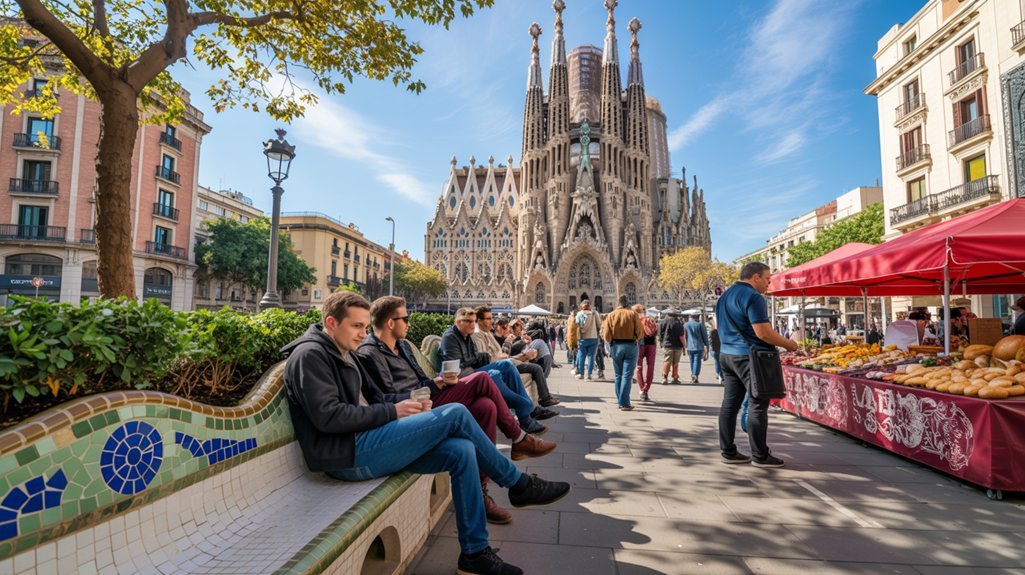
Barcelona has a way of greeting you in layers. First, it’s the light—Mediterranean bright, bouncing off pale stone and glass. Then it’s the sound: café chairs scraping, scooters humming, snippets of Catalan and Spanish floating past. And then, almost without warning, you turn a corner and you’re staring at something that shouldn’t logically exist—Gaudí’s shapes rising like a sandcastle built by a genius who never grew up.

If you want Barcelona to feel like more than a checklist, the trick is simple: mix the “big” sights with slow neighborhood time. Plan your must-see moments early in the day, then leave space to wander, snack, and follow whatever street looks most interesting. Here’s exactly how I’d do it.

5-Day Barcelona Itinerary at a Glance

Day 1 — Old Barcelona First: Gothic Quarter + El Born + Beach Sunset
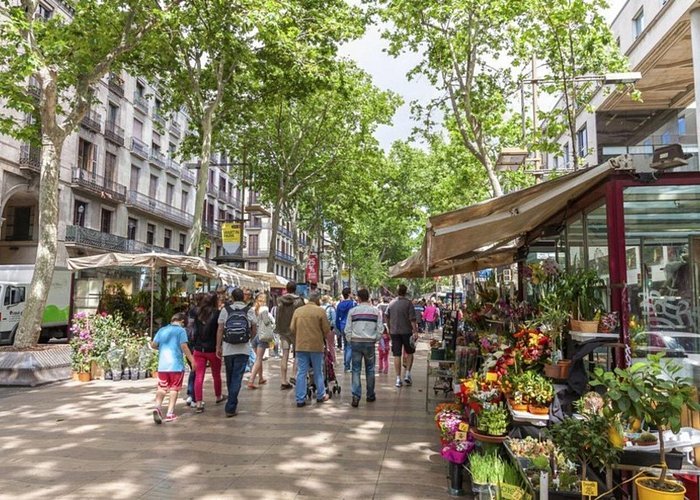
Start in the Gothic Quarter when the streets are still quiet and the light is soft. This is where Barcelona feels medieval—stone lanes, tiny squares, iron balconies, and sudden pockets of silence. Keep walking toward El Born, where the vibe shifts into boutique shops, tapas bars, and that relaxed “we live here” energy.
By late afternoon, drift toward Parc de la Ciutadella for greenery and people-watching, then finish with a sunset walk along Barceloneta. Even if you don’t swim, the sea air is the perfect reset after a day of city streets.

Day 2 — Gaudí’s Greatest Hits: Sagrada Família + Modernist Eixample
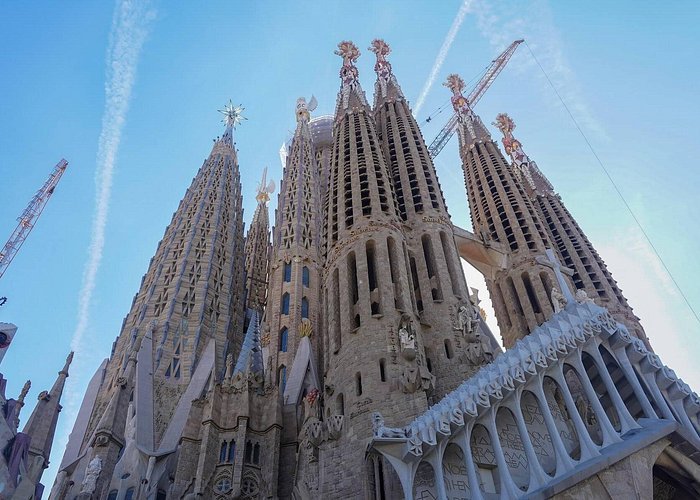
Today is your “wow” day. Book Sagrada Família for the morning if you can—your eyes adjust to the interior light differently early, and it’s easier to linger. Outside, the basilica feels like a monument. Inside, it feels like standing inside a cathedral-shaped forest.

Afterward, head into Eixample and let the Modernist architecture do the heavy lifting. Passeig de Gràcia is where you’ll see the famous façades (Casa Batlló and Casa Milà) and understand why Barcelona’s architecture gets under people’s skin.
End the day in Gràcia. It’s a neighborhood built for evenings: small plazas, casual terraces, and the kind of dinners that stretch longer than planned.

Day 3 — Park Güell + Views + Neighborhood Wandering
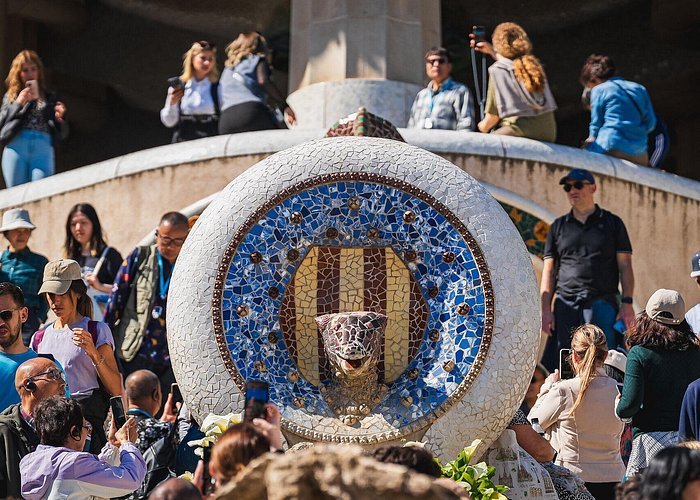
Park Güell is best done early—before the heat and before the crowds peak. The mosaics are brighter than you expect, and the city views feel almost unreal, like Barcelona is a model laid out below you.

For the afternoon, pick a viewpoint moment (the kind where you sit on a wall and just watch the city breathe), then keep the rest of the day flexible: a long café stop, a bookstore detour, a pastry you didn’t need but absolutely deserved.

Day 4 — Montjuïc Day: Museums, Gardens, Castle, and Panoramas
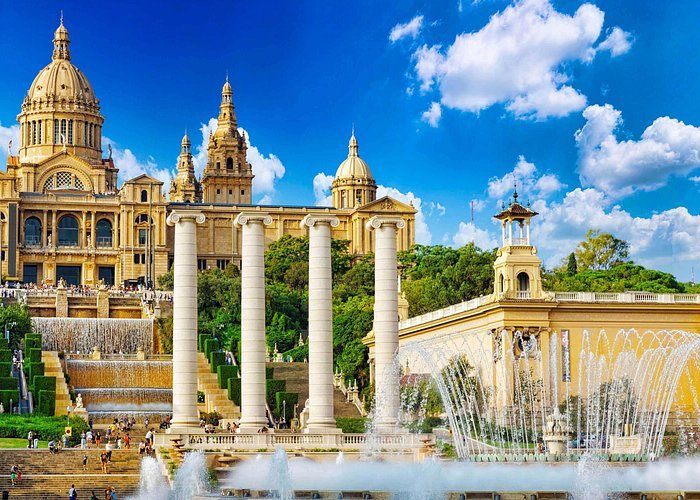
Montjuïc is Barcelona’s “big exhale”—green space, wide views, and a totally different rhythm. Go up in the morning, when the air is clearer and you can actually see the city’s shape. Choose one museum or major stop, then balance it with gardens and viewpoints so the day doesn’t become a march.
In the evening, head to Poble-sec, where the food scene is friendly, a little louder, and perfect for a casual tapas crawl.

Day 5 — Markets + Local Flavors + A Flexible Finale
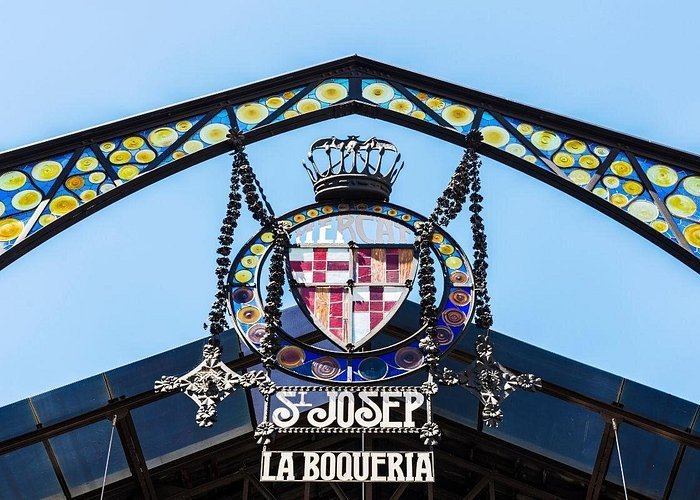
Do your market wandering today. The Boqueria area is lively and touristy, yes—but step slightly off the main path and it gets more interesting fast. Then spend the afternoon finishing whatever you didn’t get to: another Gaudí spot, more beach time, or a final neighborhood you fell for earlier in the week.

Make your last night count with a proper sit-down meal—nothing fancy required, just a place that feels warm, local, and unhurried.

Welcome to Barcelona: What It Feels Like on the Ground
Barcelona is a city of contrasts that somehow cooperate. The Gothic Quarter is narrow and ancient; Eixample is airy and geometric. The sea gives you breezy mornings; the inland neighborhoods give you late-night energy. And everywhere, there’s design—tiles, ironwork, signage, balconies—details that make even a simple walk feel like something worth remembering.

Where Is Barcelona?

Barcelona sits on Spain’s northeastern Mediterranean coast, in the region of Catalonia. What that means for you as a traveler is simple: mild coastal weather for a good chunk of the year, walkable neighborhoods, and that “city + beach” combination that’s hard to beat without sacrificing culture.

Best Time to Visit Barcelona

If you want Barcelona at its best—comfortable weather, busy but not chaotic—aim for spring (April to June) or early fall (September to October). You’ll get long, pleasant days for sightseeing without the full intensity of summer crowds.
Summer is classic Barcelona: beaches, festivals, and late nights—but also higher prices and hotter afternoons. Winter is calmer and underrated if your goal is museums, architecture, and neighborhood life without the crowds.

How to Move Around Barcelona

Barcelona is one of those cities where you can do a lot on foot—and you should, because the “between” moments are half the experience. But the metro and buses are what make the city effortless, especially for jumping between Gaudí sights and far-apart neighborhoods.

A few ticket notes that genuinely help:

A single public transport ticket starts from €2.90 (and can vary by zones).

The popular 10-journey option is the T-casual (Zone 1 listed at €13.00 in 2026 pricing updates).

Frequent riders also use the T-usual (unlimited monthly) with Zone 1 listed at €22.80 in 2026 fare tables—great for longer stays, less useful for a quick trip.

Taxis are easy for late nights or when you’re tired and don’t want stairs, but for most visitors, a mix of walking + metro is the sweet spot.

Iconic Landmarks and Attractions You Shouldn’t Miss

Sagrada Família (and the Gaudí “mindset”)

This isn’t just a famous church—it’s Barcelona’s heartbeat in architectural form. Give yourself time, not just photos. The closer you look, the more the building feels alive, full of symbols and nature-inspired geometry.

Park Güell

It’s playful, colorful, and surprisingly emotional when you hit the best viewpoint and realize the city stretches all the way to the sea. Go early, move slowly, and don’t rush the mosaic details.

Passeig de Gràcia: Casa Batlló and Casa Milà area

Even if you don’t go inside, the street is an open-air museum of Barcelona’s confidence. Look up—balconies and façades are the whole point.

Gothic Quarter + El Born

If Gaudí is Barcelona’s imagination, the Gothic Quarter is its memory. Get intentionally lost. Let a random plaza become your coffee stop. Then walk into El Born and let the day turn into tapas without overthinking it.

Barceloneta + Port Vell

The beach is the obvious draw, but the real joy is the promenade walk, especially in the evening when the city cools down and everyone seems to drift outside.
Montjuïc
For views, gardens, and a calmer pace, Montjuïc is essential. It’s the day that makes the trip feel balanced—less sprinting, more breathing.

Great but Cheap Places to Eat (3–4 picks)

If you want to eat well in Barcelona without turning every meal into a budget crisis, the strategy is simple: go where locals eat earlier in the day, order a few things, and keep it casual.

La Cova Fumada (Barceloneta)A classic, no-nonsense tapas spot with serious local character—famous for “bombas” and old-school vibes.
Can Paixano (La Xampanyeria)
A lively, standing-room kind of place where you pair simple bites with budget-friendly cava. It’s fast, fun, and feels like a Barcelona ritual.
Poble-sec tapas streets (area pick)
This neighborhood is great for hopping between small places, ordering one or two specialties, and keeping the total surprisingly reasonable.
Menu del día lunches (citywide tip)
At lunch, look for “menú del día” in non-touristy areas—it’s one of the easiest ways to eat a full meal for a fair price.


Budget Hotels & Hostels (4–5 picks)


Barcelona’s best budget stays aren’t always the absolute cheapest—they’re the ones that save you time and transport because the location is right.
Generator Barcelona
A design-led hostel option that’s popular with travelers who want comfort and a social atmosphere.
Yeah Hostel Barcelona
Well-known among hostel travelers for strong reviews and an easy base for sightseeing.
Acta Antibes (Eixample)
A straightforward, practical hotel near the Sagrada Família area—good if you want “simple, clean, sleep well.”
Onefam (Les Corts area)
A social hostel style that works well if you want to meet people and don’t mind a slightly calmer base.
Safestay (Passeig de Gràcia area)
A central option that can be a convenient base if you find a good rate for your dates.

Cost of Living in Barcelona


Barcelona can feel like a bargain or a splurge depending on how you travel. Museums and signature attractions add up fast, but daily life—coffee stops, bakeries, neighborhood lunches—can be very manageable.
Numbeo’s user-reported estimates put monthly costs (excluding rent) around €803 for a single person and €2,889 for a family of four (estimates vary by lifestyle and are best used as a general benchmark).
For a practical travel mindset, many visitors find that a comfortable daily range often includes:

Transport (a few rides/day or a multi-journey ticket)

Food (a mix of bakeries, menú del día lunches, and tapas)

One paid attraction/day (or every other day)

Even restaurant benchmarks show how doable casual meals can be—Numbeo lists an “inexpensive restaurant meal” around the mid-teens in euros.

Safety Precautions in Barcelona

Barcelona is a major European city with a big tourism engine, and the biggest risk most visitors face is petty theft—especially in crowded areas, on busy streets, and around transport hubs.

A few habits that genuinely help:

Keep your bag closed and in front in crowds, avoid leaving phones on café tables, and don’t let strangers distract you with overly friendly “help.” If you use a crossbody bag, wear it across your body and keep the zipper side toward you.
For emergencies, 112 is the general emergency number in Spain (works for police, ambulance, fire).

My Summary of Staying in Barcelona

Barcelona rewards a “two-speed” approach. Do your biggest sights early—Sagrada Família, Park Güell, Montjuïc viewpoints—then slow down on purpose. The city’s magic isn’t only in the monuments; it’s in the late-afternoon light on tiled façades, the way plazas fill up after dark, the small espresso stops, and the feeling that the city belongs to the street.
If I had to choose one thing to do differently every time, it would be this: plan fewer “big” entries per day and leave room to wander. Barcelona is at its best when it surprises you.

FAQ 

1) What’s the best neighborhood to stay in for first-timers?
Eixample is a great first base because it’s central, safe-feeling, and well-connected. If you want charm and nightlife, El Born is fun. If you want a local vibe with plazas, try Gràcia.
2) How many days do you really need in Barcelona?
Five days is the sweet spot for seeing the essentials without rushing. If you only have three, prioritize: Sagrada Família, Gothic/El Born, Park Güell, and one viewpoint or beach evening.
3) Is Barcelona expensive compared to other European cities?
It can be mid-range: attractions and hotels can spike in peak season, but food and daily transport can stay manageable if you lean into local lunch deals and neighborhood dining.
4) Do I need to prebook attractions?
For the big-ticket Gaudí sites, yes—especially in high season. Booking ahead also lets you control your day instead of letting lines control you.
5) What’s the best way to get from the airport to the city?
Public transport is convenient for many travelers, and taxis are the simplest option if you’re arriving late or carrying lots of luggage. Choose based on your arrival time and where you’re staying.
6) Is it safe to walk at night?
In most central areas, yes—especially where streets are well-lit and active. Use normal city awareness, avoid isolated shortcuts late at night, and keep valuables secured. For emergencies, remember 112.