
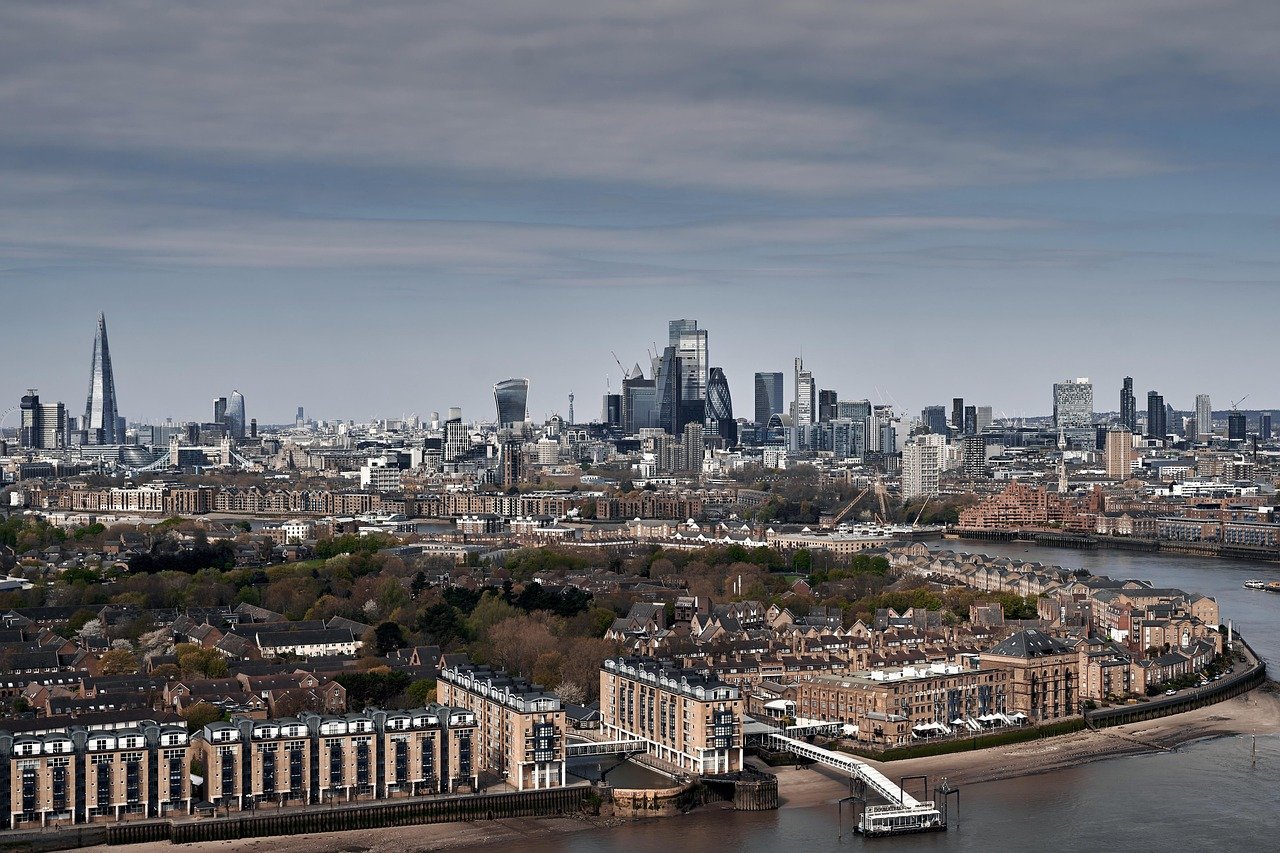
London has a way of announcing itself without shouting. One minute you’re rolling your suitcase over old paving stones, the next you’re standing on a bridge watching the Thames drag the city’s lights downstream like glitter. It’s a place where the past isn’t trapped behind glass—it’s stitched into everyday life, sitting right beside new glass towers, street markets, tiny cafés, and parks that feel like a quiet secret.
This guide is built for the way most of us actually travel: you want the big landmarks, but you also want the little moments that make the trip feel personal. You’ll get a simple five-day itinerary, the best ways to move around, good cheap eats, budget-friendly places to sleep, the best time to go, what things cost, safety precautions, and answers to the questions people always ask before booking London.
Where is London?
London is the capital of the United Kingdom, set in the southeast of England along the River Thames. It’s one of Europe’s easiest big cities to navigate because so many of its “headline” sights sit in clusters, connected by riverside walks, quick Tube hops, and bus routes that double as sightseeing.
Geographic location overview
The Thames curves through the city like a guide rope—Westminster and the South Bank give you the classic postcard London, while the City of London and Tower Bridge area bring the history-heavy, skyline-meets-stone vibe. From there, London spreads outward into neighborhoods that each feel like their own small city: leafy and elegant in places, loud and creative in others, and wonderfully mixed almost everywhere.
5-Day London Itinerary (Designed for First-Timers)
Day 1: Westminster Icons and a Golden Thames Evening
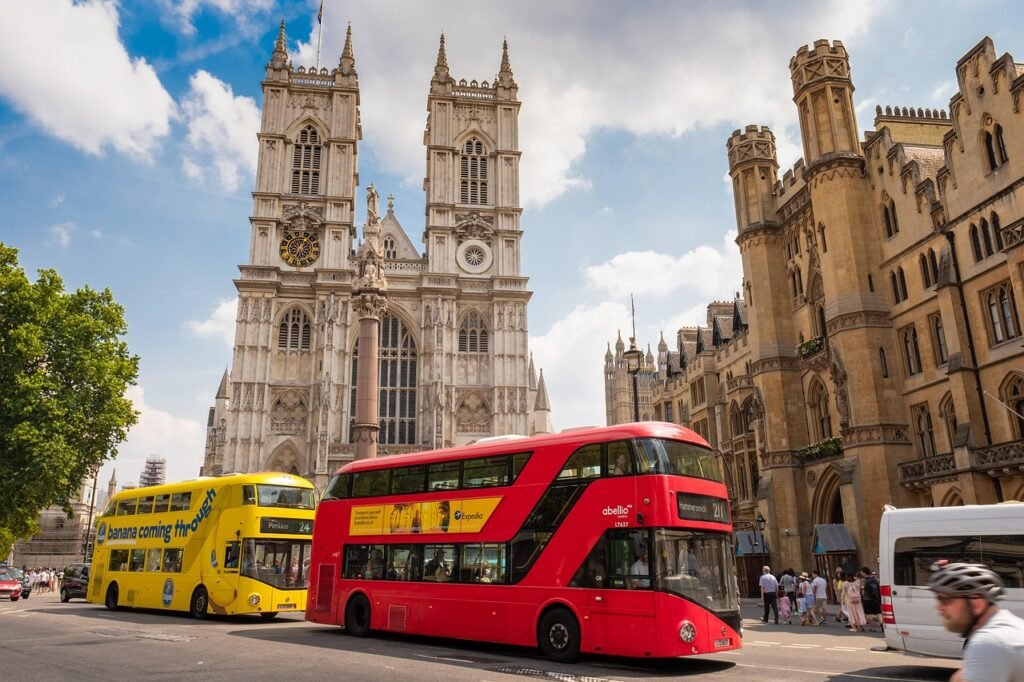
Start your first morning in Westminster, when the streets still feel calm and the camera angles look like they belong on a postcard. This is the “London you already know,” but seeing it in real life hits differently—the details on the buildings, the rhythm of the river, and the way the city seems to pose for you.
Walk through the Westminster area and let yourself linger. Cross into St James’s Park for a breather and that “how is a city this busy also this green?” feeling. Then drift toward Buckingham Palace and the surrounding streets, where London feels suddenly polished and ceremonial.
As evening arrives, head for the South Bank. London does riverside atmosphere better than most cities, and this stretch is pure energy: street performers, glowing bridges, and the kind of walk where you keep saying, “Okay—one more photo.”
Day 2: Parks, Palaces, and a Free-Museum Masterpiece Day
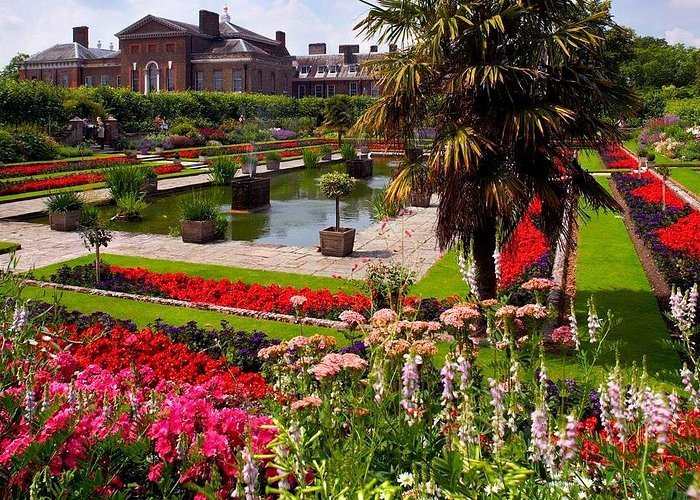
London does “slow mornings” well if you let it. Begin in Hyde Park or Kensington Gardens—just enough movement to wake up, just enough calm to feel like you’ve escaped the city. Then aim for South Kensington, where three of London’s most famous museums sit within easy walking distance.
This is the day to lean into London’s best budget advantage: many major museums are free to enter. You can spend a full afternoon with dinosaurs, design, fashion, inventions, and art without paying an admission fee at many of the city’s big institutions.
Finish in Notting Hill if you want a softer, storybook side of London—pretty streets, cafés, and that relaxed end-of-day feeling that makes you forget you’re in a world capital.
Day 3: St Paul’s, the Tower, and London’s Most Photogenic Bridge Pair
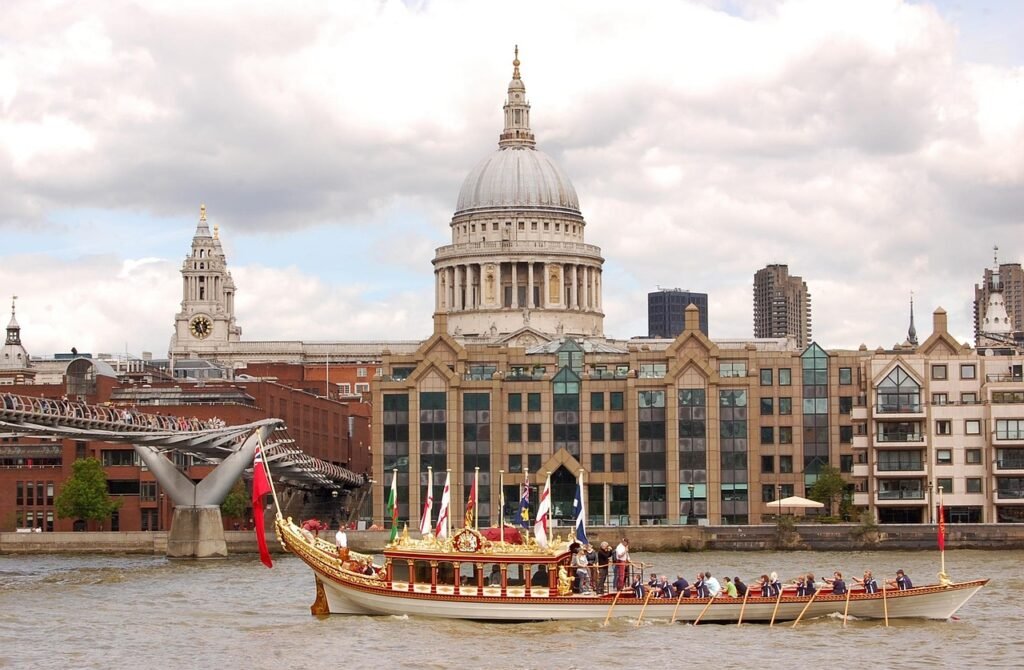
Today is London’s “old stones and big stories” day. Start at St Paul’s Cathedral area and cross the Millennium Bridge for that cinematic view where the city seems to line up perfectly for your camera. Keep moving east and you’ll feel London shift: more businesslike, more historic, and suddenly packed with legends.
The Tower of London is one of those attractions that’s worth doing properly because the stories are the whole point—royal drama, prisoners, politics, and the eerie sense that history here wasn’t always polite. Then walk to Tower Bridge and slow down. It’s iconic for a reason, and the riverside views in this area are some of the best in the city.
End the day along the Thames near London Bridge or Bermondsey, where you can eat well without feeling like you’ve paid “tourist tax” for every bite.
Book on Viator: Tower of London & Tower Bridge experience (guided)
Day 4: Borough Market, Covent Garden, Soho, and a West End Night

Start the day hungry. Borough Market is perfect for a snacky breakfast that turns into lunch if you’re not careful. Even if you don’t buy much, it’s worth strolling for the atmosphere alone—the kind of place where a simple bite tastes better because you’re standing in the middle of London’s food buzz.
From there, head toward Covent Garden for street performers and that lively, classic London feel, then drift into Soho as the afternoon starts to glow. If you want a West End show, this is your night. London theatre is part of the city’s identity, and seeing it here feels different than anywhere else—more electric, more “this is what we came for.”
Day 5: Choose Your London Ending (Greenwich, Camden, or a Rain-Proof Classic)
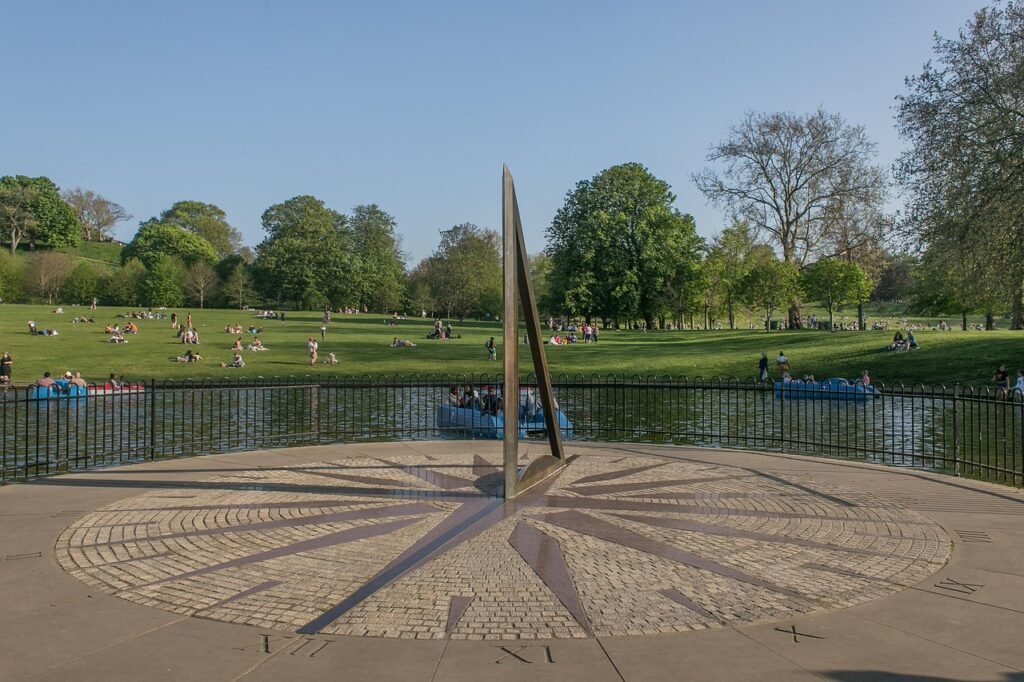
London rewards you when you follow your mood.
If you want fresh air and big views, choose Greenwich. It’s a simple trip, and it feels like you’ve stepped into a calmer London with maritime history, wide open parkland, and one of the best “look how far this city goes” panoramas. Greenwich is also a strong budget day because several major sights in the area can be enjoyed cheaply or for free.
If you want something louder and more colorful, choose Camden. It’s markets, street food, music history, and canal-side wandering that feels like a totally different version of the city.
If the weather turns (and London likes to surprise you), choose the British Museum and Bloomsbury. You can spend hours there and walk out feeling like you’ve traveled through centuries in one afternoon—again, with free entry to the main collections.
Major Landmarks and Attractions You Shouldn’t Miss
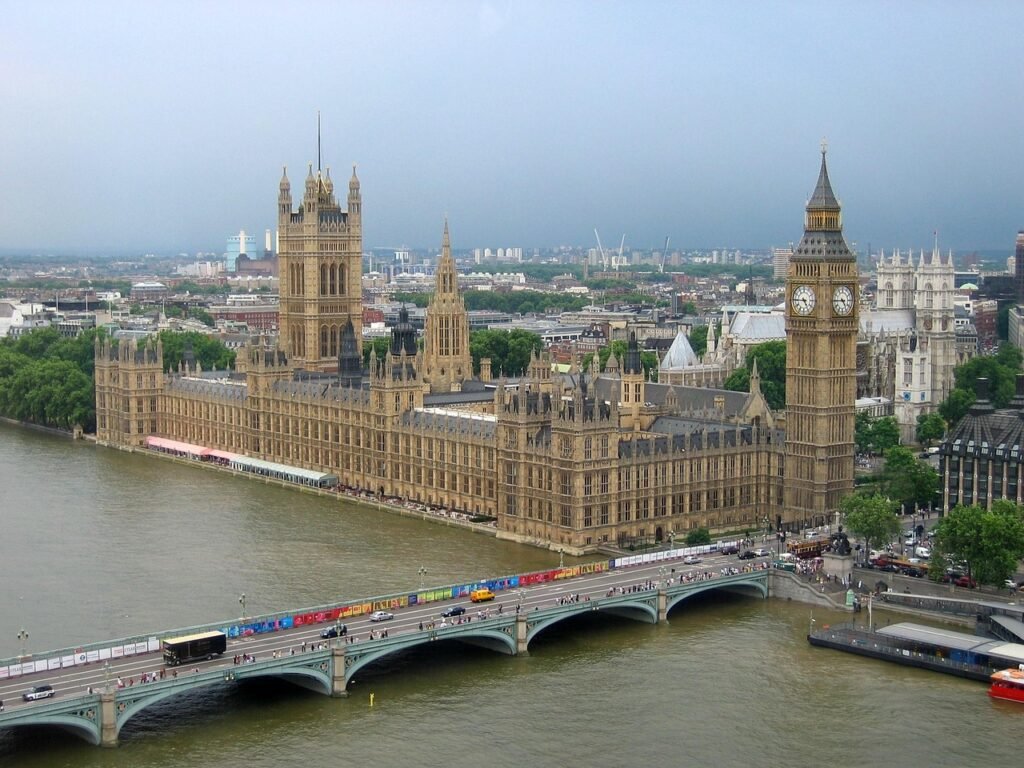
Westminster Abbey and the Houses of Parliament are London in its most iconic form—the kind of architecture that makes you look up without realizing you’ve stopped walking. Come early if you want photos without the crowds and that quiet, almost reverent atmosphere that makes the area feel cinematic.
Tower of London and Tower Bridge are the perfect pair because you get history and skyline together in one concentrated stretch. Give yourself time to wander the riverwalk here; it’s one of those places where the best moments are often the ones between attractions.
The South Bank is less about one landmark and more about the feeling of London. It’s the walk you’ll remember: the music, the river light, the way the city feels alive without demanding anything from you.
How to Move Around London (Without Getting Overwhelmed)
London is built for public transport and walking. The simplest strategy is to walk when areas are close—because London’s streets are part of the experience—and use the Tube, Overground, or Elizabeth line to jump between neighborhoods.
For payment, most visitors use contactless or an Oyster card on Transport for London services. The big win is fare capping, which limits what you pay over a day or a week when using pay-as-you-go, making it easier to control transport costs without buying separate tickets every time.
Buses deserve more love than they get. They’re slower, but they’re scenic and often feel like a cheap moving viewpoint across the city—especially if you grab an upstairs seat.
Great but Cheap Places to Eat in London (Tourist-Friendly, Wallet-Friendly)
When you want a satisfying meal that doesn’t feel like a financial decision, London has reliable favorites that hit the sweet spot between tasty and affordable. Franco Manca is a go-to for sourdough pizza that feels “proper” without a big bill. Roti King is the kind of place you’ll remember—warm, filling Malaysian comfort food that earns its queues. Flat Iron is a great choice when you want steak without the “special occasion” price tag. And if you end up around Brick Lane, Beigel Bake is a classic grab-and-go London bite that’s perfect when you’re hungry right now.
A simple money-saving rhythm that still feels fun is to make lunch your “nice meal,” use markets for breakfast or snacky meals, and keep dinner casual with something easy and satisfying.
Budget Accommodation in London (4–5 Solid Picks)
If you want a budget base that still makes sightseeing easy, look for places with great transport access rather than chasing the absolute cheapest bed far out. A well-connected spot often saves you time, energy, and transport money.
For hostels, YHA London Central is a consistent choice for a first London trip because it keeps you close to central neighborhoods. Wombat’s City Hostel is strong for Tower Bridge and East London plans. Generator London works well if you like a social vibe near major Tube lines. Astor Hyde Park is a good pick if you want green space nearby and easy access to museum areas.
For budget hotels with more privacy, Point A Hotel London Kings Cross – St Pancras is a practical base near major rail connections, and hub by Premier Inn Westminster, St James’s Park is a location win when you want to be close to Westminster without paying luxury prices.
Best Time to Visit London
If you want mild weather and a city that feels lively without being packed, spring and early autumn are the sweet spots. Summer brings long days and festival energy, but it also brings crowds and higher prices. Winter is colder and often damp, but it can be a smart time for deals—and late November into early December can be especially magical when London is dressed up in lights and seasonal atmosphere.
If your goal is the cheapest stretch, London’s own travel guidance often points to January through March as a period when prices tend to dip compared with peak seasons.
Cost of Living in London (What Things Cost for Travelers)
London can be expensive, but it’s predictable once you understand what’s driving your spending: accommodation, transport, and how many paid attractions you stack into a day. The good news is you can build an incredible trip with plenty of free museum time and scenic walking days, then choose a couple of paid “headline” experiences that feel worth it.
For transport, pay-as-you-go with contactless/Oyster plus fare caps helps prevent costs from spiraling on heavy travel days.
If you like seeing sample price ranges, Numbeo’s user-reported London data can be a helpful rough guide for typical everyday costs, but treat it as a directional estimate rather than a perfect truth.
Currency in London
London uses the British pound sterling, shown with the £ symbol, and the ISO code is GBP.
Daily budget example (realistic, flexible)
A budget traveler can structure London days around free museums, parks, markets, and long walks, then spend on one or two paid attractions during the trip rather than every day. A mid-range traveler typically spends more on accommodation and chooses at least one paid attraction or show, while still using free museums and neighborhood wandering to balance costs.
Because prices change often, the smartest budgeting habit is to price-check your “must-do” tickets and your accommodation first, then build your daily spending around what’s left. Transport costs are easier to control thanks to pay-as-you-go and caps.
Safety Precautions in London (Simple Habits That Matter)
London is generally safe for visitors, but the most common issues are the boring ones: opportunistic pickpocketing in crowds and phone snatching when you’re distracted. The Metropolitan Police advice is straightforward: keep valuables close, be alert in crowded places, and avoid leaving phones on tables or using them carelessly in the street.
One habit that genuinely helps is “pause, use, put away.” If you need your phone for maps, step closer to a wall or building, stay aware of bikes or mopeds passing close, then put it away as soon as you’re done.
At night, stick to well-lit streets, plan your route home, and don’t flash valuables. It’s not about fear—it’s about not making yourself the easiest target in a busy city.
My Personal Experience Of London
London isn’t a single story—it’s a library of stories stacked on top of each other. It’s grand when you want it to be, and surprisingly intimate when you let yourself slip into the everyday rhythm: a warm pastry from a small shop, a quiet bench in a park, a river walk where the city feels like it’s breathing. You’ll come for the landmarks, but you’ll remember the texture of the place—the sound of footsteps on bridges, the sudden views between buildings, and the way London always seems to reveal one more scene around the next corner.
FAQs
Q1: Is 5 days enough for London?
A: Yes, five days is enough for a first trip if you focus on landmark clusters and leave room for walking and neighborhoods. Choose a few big experiences and enjoy the atmosphere in between.
Q2: What’s the cheapest way to get around London?
A: Walking plus public transport is the sweet spot. Walk between close attractions, then use the Tube or buses for longer distances so your feet don’t control your entire itinerary.
Q3: Where should first-timers stay on a budget?
A: Choose a well-connected area rather than the cheapest option far out. Good transport access makes London easier, faster, and often cheaper overall.
Q4: What are the best free things to do in London?
A: Museum afternoons, parks, riverside walks, and neighborhood exploring. These are the moments that make the city feel real, not rushed.
Q5: How much money do I need per day in London?
A: It depends mostly on accommodation and how many paid attractions you add, but many travelers keep daily spending manageable by balancing free sights with a small number of paid highlights that feel truly worth it.
Q6: Is London safe for solo travelers?
A: Yes, with common-sense awareness. Stay alert in crowds, secure your valuables, be intentional with phone use in busy areas, and stick to well-lit routes at night.