
From golden temples and sizzling night markets to tropical beaches, jungle mountains, island resorts, and rooftop views over Bangkok, Thailand is one of Southeast Asia’s most rewarding adventure destinations.
This is the kind of country where you can begin your morning with temple bells, spend the afternoon on a longtail boat or soft-sand beach, and end the night eating pad Thai, mango sticky rice, grilled seafood, and coconut ice cream under glowing market lights.
Thailand is also famous for affordable luxury. You can stay in stylish boutique hotels, enjoy spa treatments, eat incredible food, and visit world-class beaches for far less than many European or Caribbean destinations. Costs vary widely by season and destination, but Bangkok and Chiang Mai usually offer stronger value, while Phuket and Koh Samui can become more expensive in peak beach season.
Travelers should use normal awareness in busy tourist zones. Canada currently advises travelers to exercise a high degree of caution in Thailand due to political tensions and demonstrations, and to avoid travel within 50 km of the Thailand-Cambodia border. The U.S. State Department also lists Thailand at Level 2, “Exercise Increased Caution,” with border-area warnings. For the main tourist route of Bangkok, Phuket, Chiang Mai, and Koh Samui, most visitors travel comfortably by using common-sense precautions, avoiding demonstrations, watching belongings, and checking local updates.
1. Bangkok
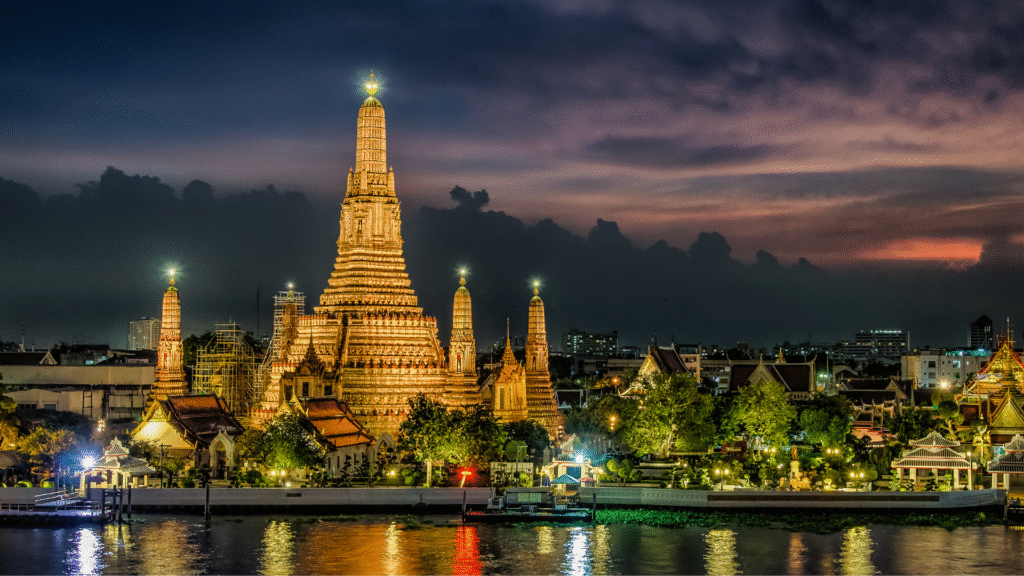
Bangkok is where Thailand’s energy hits you first. It is chaotic, elegant, spiritual, modern, noisy, delicious, and unforgettable all at once. This is not a city you simply pass through on the way to the beaches. Bangkok deserves time because it gives you the full contrast of Thailand: royal palaces, Buddhist temples, rooftop bars, riverboats, street food, luxury malls, night markets, and hidden neighborhood life.
The Grand Palace and Wat Phra Kaew introduce you to Thailand’s royal and religious heritage, while Wat Arun rises beside the Chao Phraya River like one of the city’s most beautiful symbols. A riverboat ride is one of the best ways to understand Bangkok because the city was built around canals, trade, temples, and river life. Later, you can move from ancient temples to modern Bangkok in minutes, whether that means shopping at ICONSIAM, eating in Chinatown, visiting a rooftop bar, or exploring a night market.
Bangkok is also one of the best places in Thailand for affordable luxury. You can find beautiful hotels, excellent restaurants, massages, and private tours at prices that often feel like outstanding value compared with other global capitals. Famous foods include pad Thai, boat noodles, tom yum, green curry, mango sticky rice, grilled pork skewers, Thai iced tea, and Chinatown seafood. Bangkok is generally safe for tourists, but watch for scams, traffic, pickpocketing in crowded places, and avoid political demonstrations.
#1 Top Attraction: The Grand Palace and Wat Phra Kaew
How to Visit Bangkok
Location: Central Thailand
Top Experiences: Temples, riverboats, rooftop views, night markets, street food, shopping
Famous Foods: Pad Thai, tom yum, green curry, boat noodles, mango sticky rice
Cost of Living: Excellent value for food, transport, hotels, and spa experiences
Safety: Use normal city awareness, avoid demonstrations, and watch valuables in crowds
Cultural Significance: Thailand’s capital and royal, political, religious, culinary, and commercial center
5-Day Bangkok Itinerary
Day 1: Arrival and Riverside Bangkok
Arrive in Bangkok and stay near the river, Sukhumvit, Silom, or the Old City. Spend the evening with a relaxed Chao Phraya River walk or dinner cruise. Keep the first night simple and enjoy your first Thai meal.
Day 2: Grand Palace, Wat Pho, and Wat Arun
Start early at the Grand Palace and Wat Phra Kaew. Continue to Wat Pho to see the Reclining Buddha, then cross the river to Wat Arun for sunset. End the night with street food or a rooftop drink.
Day 3: Markets and Chinatown
Visit Chatuchak Weekend Market if your trip falls on a weekend, or explore local markets and malls. In the evening, head to Yaowarat, Bangkok’s Chinatown, for seafood, noodles, desserts, and neon-lit street food.
Day 4: Canals, Cooking Class, and Night Market
Take a longtail boat through the canals to see a quieter side of the city. In the afternoon, join a Thai cooking class. Spend the evening at a night market for snacks, souvenirs, and casual shopping.
Day 5: Affordable Luxury Day
Enjoy a spa treatment, hotel pool, boutique café, or private guided tour. Visit Jim Thompson House, ICONSIAM, or a rooftop restaurant for a stylish final night in Bangkok.
2. Phuket
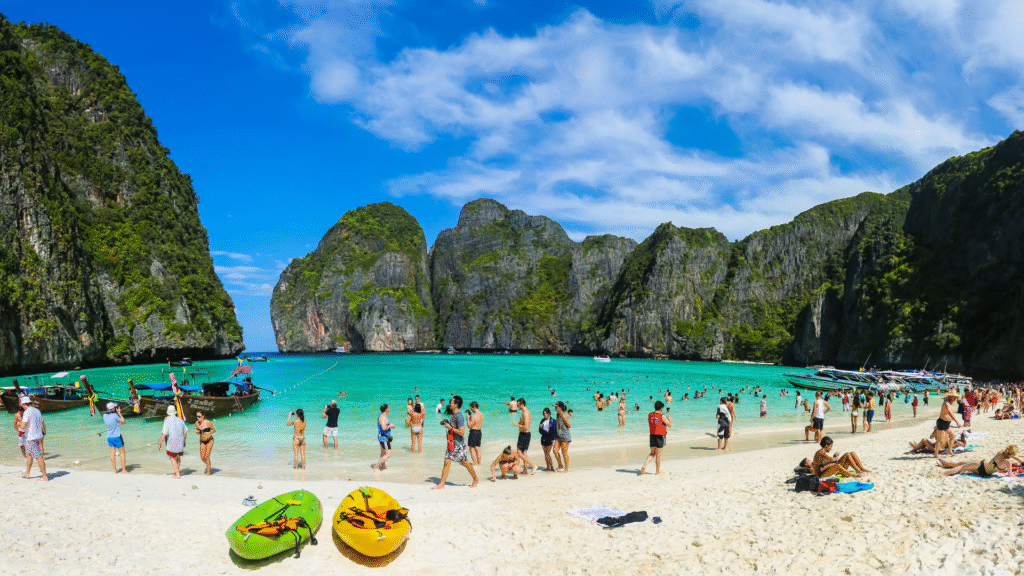
Phuket is Thailand’s most famous island destination, and it belongs on a Thailand adventure list because it offers beaches, nightlife, boat trips, viewpoints, markets, temples, and resort-style comfort in one place. It can be busy and commercial, but it is also incredibly convenient for travelers who want easy access to island scenery without giving up restaurants, hotels, tours, and transport.
The beaches are the main attraction. Patong is lively and nightlife-focused, Kata and Karon are more balanced, Kamala is calmer, and Nai Harn feels more relaxed and scenic. Beyond the beaches, Phuket Old Town adds color and character with Sino-Portuguese architecture, cafés, street art, and weekend markets. The Big Buddha and Wat Chalong bring cultural depth, while island trips to Phang Nga Bay, James Bond Island, Coral Island, or the Phi Phi Islands deliver the classic turquoise-water Thailand experience.
Phuket can be more expensive than Chiang Mai or Bangkok, especially in peak season, but it still offers affordable luxury if you plan well. You can book a stylish resort, enjoy beach clubs, take boat tours, and eat fresh seafood without reaching the price levels of many other tropical destinations. Famous foods include southern Thai curry, seafood, roti, Hokkien noodles, satay, mango sticky rice, and spicy soups.
#1 Top Attraction: Phang Nga Bay or Big Buddha
Location: Southern Thailand, Andaman Sea
Top Experiences: Beaches, boat tours, night markets, viewpoints, temples, seafood
Famous Foods: Seafood, Hokkien noodles, roti, satay, southern Thai curry
Cost of Living: More expensive than Chiang Mai, but still strong value for beach resorts
Safety: Swim only where conditions are safe, watch traffic, and use licensed tour operators
Cultural Significance: A historic trading island with Thai, Chinese, Malay, and maritime influences
5-Day Phuket Itinerary
Day 1: Arrival and Beach Time
Arrive in Phuket and settle into Kata, Karon, Kamala, Patong, or Nai Harn. Spend your first afternoon on the beach, then enjoy a seafood dinner near the water.
Day 2: Big Buddha, Wat Chalong, and Phuket Old Town
Visit Big Buddha in the morning, then explore Wat Chalong. Spend the afternoon in Phuket Old Town for colorful streets, cafés, local shops, and street art. Visit a night market if available.
Day 3: Phang Nga Bay Boat Tour
Take a boat tour to Phang Nga Bay, famous for limestone cliffs, emerald water, sea caves, and island scenery. This is one of the most memorable day trips from Phuket.
Day 4: Beach Hopping and Sunset Viewpoint
Spend the day visiting Kata, Karon, or Nai Harn Beach. In the evening, head to Promthep Cape or another viewpoint for sunset.
Day 5: Affordable Luxury Resort Day
Slow down with a resort breakfast, spa treatment, pool time, beach club, or private longtail boat experience. End with a relaxed dinner and one final night market stroll.
3. Chiang Mai
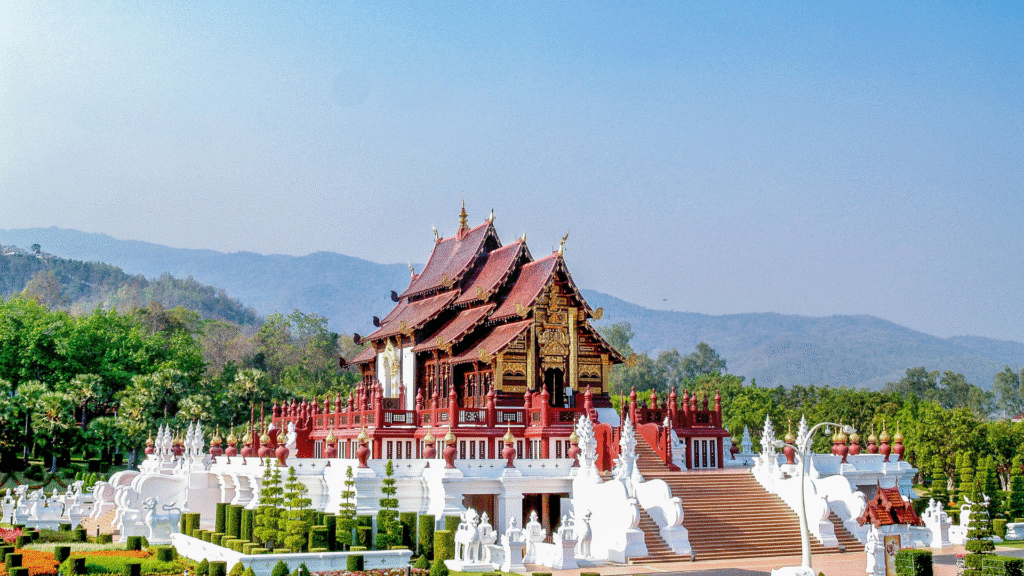
Chiang Mai is the soulful mountain city of northern Thailand. It feels calmer than Bangkok and more cultural than the southern islands. If Bangkok is energy and Phuket is beach life, Chiang Mai is temples, night markets, mountain air, cooking classes, coffee shops, craft villages, and Lanna heritage.
The old city is surrounded by traces of ancient walls and moats, with temples tucked into almost every corner. Wat Phra Singh, Wat Chedi Luang, and Wat Chiang Man help you understand the city’s spiritual character, while Doi Suthep rises above Chiang Mai as the landmark mountain temple. The Tourism Authority of Thailand highlights Phra That Doi Suthep, Thapae Walking Street, Nimmanhaemin Road, and Doi Inthanon among Chiang Mai’s key experiences, showing how the city blends Lanna culture, nature, and contemporary life.
Chiang Mai is also one of Thailand’s best value destinations. Hotels, food, transportation, massages, and tours are often cheaper than the islands, making it perfect for travelers who want affordable luxury without rushing. Night markets are a major part of the experience. The Sunday Walking Street and Chiang Mai Night Bazaar offer crafts, clothing, street snacks, local art, and a lively but relaxed atmosphere. Famous foods include khao soi, sai oua northern sausage, sticky rice, laab, mango sticky rice, coconut desserts, and Thai iced tea.
#1 Top Attraction: Wat Phra That Doi Suthep
Location: Northern ThailandTop Experiences: Temples, night markets, cooking classes, mountain trips, cafés, culture
Famous Foods: Khao soi, sai oua, sticky rice, laab, coconut desserts
Cost of Living: One of the best-value major destinations in Thailand
Safety: Generally relaxed, but use care on mountain roads and with scooter rentals
Cultural Significance: Historic center of Lanna culture, northern Thai art, temples, and craftsmanship
5-Day Chiang Mai Itinerary
Day 1: Old City Temples
Arrive in Chiang Mai and explore the Old City. Visit Wat Chedi Luang, Wat Phra Singh, and quiet side streets filled with cafés and small temples. End with dinner near the Old City.
Day 2: Doi Suthep and Nimman
Visit Wat Phra That Doi Suthep in the morning for temple beauty and mountain views. Spend the afternoon in Nimmanhaemin Road for cafés, shops, galleries, and a modern Chiang Mai atmosphere.
Day 3: Cooking Class and Night Bazaar
Join a Thai cooking class and learn to make dishes like khao soi, curry, stir-fry, or mango sticky rice. In the evening, explore Chiang Mai Night Bazaar for food, crafts, and souvenirs.
Day 4: Doi Inthanon or Ethical Elephant Sanctuary
Take a day trip to Doi Inthanon National Park, Thailand’s highest mountain, or choose a carefully researched ethical elephant experience with no riding and strong welfare standards.
Day 5: Sunday Walking Street or Craft Villages
If it is Sunday, spend the evening at Sunday Walking Street. Otherwise, visit local craft villages, cafés, temples, or take a slower spa-and-market day before leaving.
4. Koh Samui
Koh Samui is one of Thailand’s best islands for travelers who want beaches, comfort, wellness, island nightlife, and affordable luxury in a softer, more resort-friendly setting. It is polished enough for honeymooners and luxury travelers, but still flexible enough for families, backpackers, and travelers who want a relaxed tropical escape.
The island has different moods depending on where you stay. Chaweng is the liveliest, with nightlife, restaurants, shopping, and a long beach. Lamai is a little more relaxed but still social. Bophut and Fisherman’s Village feel stylish and charming, especially for evening dining and market walks. Maenam is quieter and better for travelers who want calm beaches and a slower pace.
Koh Samui is not just about beach resorts. The Big Buddha Temple, Wat Plai Laem, waterfalls, viewpoints, and boat trips to Ang Thong National Marine Park add adventure and culture. The Tourism Authority of Thailand’s official site also highlights Koh Samui in connection with beach, culture, and island experiences, including Big Buddha Temple and natural landmarks such as Hin Ta Hin Yai.
Famous foods include grilled seafood, coconut-based curries, papaya salad, pad Thai, tom kha gai, mango sticky rice, and fresh tropical fruit. Koh Samui can be more expensive than Chiang Mai, but it still offers affordable luxury through boutique resorts, beach massages, villa stays, and sunset dining.
#1 Top Attraction: Ang Thong National Marine Park
Location: Gulf of Thailand
Top Experiences: Beaches, temples, waterfalls, wellness, night markets, boat trips
Famous Foods: Grilled seafood, coconut curry, papaya salad, tom kha gai, tropical fruit
Cost of Living: Mid-to-high for Thailand, but strong value for resort-style travel
Safety: Watch swimming conditions, scooter risks, and weather during boat trips
Cultural Significance: A Gulf island shaped by fishing villages, coconut plantations, Buddhism, and tourism
5-Day Koh Samui Itinerary
Day 1: Arrival and Beach Dinner
Arrive in Koh Samui and settle into Chaweng, Lamai, Bophut, or Maenam. Spend your first evening with a beach walk and seafood dinner.
Day 2: Big Buddha, Wat Plai Laem, and Fisherman’s Village
Visit Big Buddha Temple and Wat Plai Laem in the morning. In the evening, head to Fisherman’s Village for restaurants, shopping, and night market energy.
Day 3: Ang Thong National Marine Park
Take a boat trip to Ang Thong National Marine Park for limestone islands, kayaking, viewpoints, lagoons, and some of the most beautiful seascapes near Samui.
Day 4: Waterfalls, Viewpoints, and Lamai
Visit Na Muang Waterfall, explore island viewpoints, and spend the afternoon at Lamai Beach. Stop by Hin Ta Hin Yai if you want a quick natural landmark visit.
Day 5: Wellness and Affordable Luxury Day
Enjoy a spa treatment, beach club, yoga class, pool day, or slow villa morning. End the trip with sunset drinks and a final Thai dinner by the sea.
5. Thailand Temples, Beaches, and Night Markets
One of the best ways to understand Thailand is through its temples, beaches, and night markets. These three experiences reveal the country’s spiritual depth, natural beauty, and everyday social life.
Temples are not just attractions in Thailand. They are living cultural spaces. In Bangkok, temples are grand, royal, and glittering. In Chiang Mai, they feel older, quieter, and deeply tied to Lanna identity. On the islands, temples often sit near beaches, fishing communities, and hilltop viewpoints. When visiting temples, dress respectfully, cover shoulders and knees where required, remove shoes when entering sacred spaces, and avoid treating worship areas like photo sets.
Beaches show another side of Thailand. Phuket and Koh Samui offer easy tropical escapes, while nearby islands and marine parks deliver snorkeling, boat trips, and dramatic limestone scenery. Thailand’s official tourism site organizes travel inspiration around experiences such as Thai foods, beaches, adventures, temples, palaces, and festivals, which is exactly why the country works so well for a mixed itinerary.
Night markets are where the country becomes delicious and social. They are ideal for affordable meals, souvenirs, clothing, crafts, desserts, and casual people-watching. Famous foods to try include pad Thai, satay, roti, grilled seafood, coconut pancakes, mango sticky rice, banana roti, papaya salad, and Thai milk tea.
#1 Top Experience: A temple morning, beach afternoon, and night market evening
Top Experiences: Cultural visits, swimming, street food, shopping, local nightlife
Cost of Living: Excellent value when eating at markets and using local transport
Safety: Watch belongings, choose busy food stalls, and be careful with traffic near markets
Cultural Significance: These experiences connect Buddhism, coastal life, food culture, craftsmanship, and community
5-Day Temples, Beaches, and Night Markets Itinerary
Day 1: Bangkok Temples and Street Food
Visit the Grand Palace, Wat Pho, and Wat Arun. In the evening, explore Chinatown or a night market for your first street food feast.
Day 2: Bangkok Markets and River Life
Take a canal or river tour, then visit a market for snacks and shopping. End the day with a rooftop view or casual night market dinner.
Day 3: Fly to Phuket or Koh Samui
Travel south to the beach. Spend the afternoon swimming, relaxing, and enjoying a sunset seafood dinner.
Day 4: Beach and Boat Adventure
Take a boat trip to nearby islands, marine parks, or snorkeling spots. Return for a relaxed night market or beachside meal.
Day 5: Temple, Spa, and Final Market Night
Visit an island temple, enjoy a massage or spa treatment, then finish with one last night market meal and souvenir shopping.
Summary
Thailand belongs on an adventure destinations list because it gives travelers an incredible mix of culture, comfort, beaches, food, and value.
Bangkok gives you temples, markets, rooftop views, river life, and unforgettable street food. Phuket gives you beaches, island tours, nightlife, and tropical convenience. Chiang Mai gives you temples, mountains, night markets, cooking classes, and northern Thai culture. Koh Samui gives you resort comfort, wellness, beaches, temples, and boat trips. Together, they create a Thailand route that feels rich, balanced, and exciting.
A strong first-time Thailand itinerary would be:
Bangkok → Chiang Mai → Phuket → Koh Samui
This route gives you the capital city, northern culture, Andaman Sea beaches, Gulf island relaxation, night markets, temples, and affordable luxury all in one trip.
My Personal Take
If I were planning a first Thailand adventure, I would not make it only a beach vacation. The beaches are beautiful, but Thailand becomes much more memorable when you combine them with temples, markets, food, and cultural experiences.
Bangkok gives you the energy. Chiang Mai gives you the soul. Phuket gives you the big tropical adventure. Koh Samui gives you the relaxed island finish.
My ideal trip would begin with three to five days in Bangkok, continue with Chiang Mai for temples and night markets, then move south for Phuket’s boat trips and Koh Samui’s softer resort-style beaches. That combination gives you the best version of Thailand: exciting, affordable, spiritual, flavorful, and deeply relaxing.
For me, the magic of Thailand is not just one beach or one temple. It is the way every day can feel completely different. One morning you are standing barefoot in a golden temple. That afternoon you are swimming in warm turquoise water. By night, you are eating street food under market lights, wondering how a place can feel so vibrant, welcoming, and unforgettable all at once.