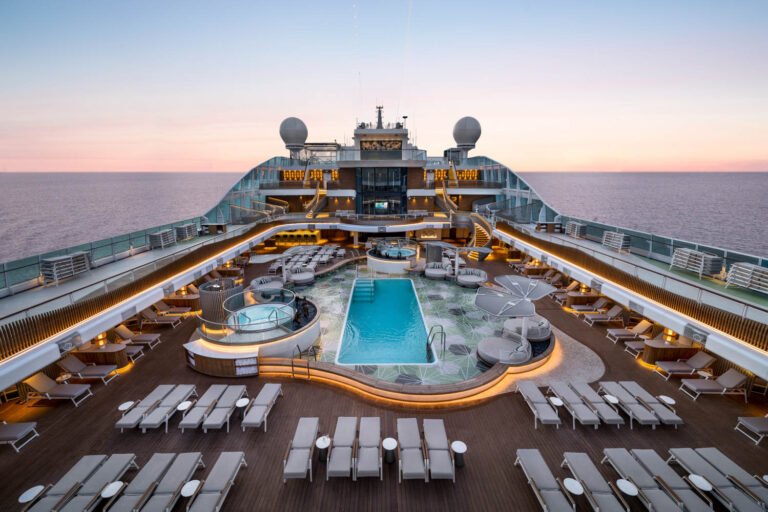
I’ve chosen these 15 places the way I always choose destinations for a long trip: somewhere that gives you a strong sense of place the moment you arrive, enough substance for five full days, a transport system that won’t fight you every morning, and food that still tastes local even when you’re spending carefully. This list leans city-heavy on purpose. Cities give you museums, neighborhoods, markets, day trips, and late-night atmosphere without needing a car.
A note before you use this as a booking guide: attractions and transport are fairly stable, but hotel inventory, restaurant opening days, and room rates move constantly. For that reason, I’m giving you realistic budget zones and traveler-tested types of stays rather than pretending every hostel bed or set lunch will cost the same next month. Safety levels and travel advisories also change, so I’ve grounded the practical notes in current official sources.
1. Paris, France

Paris still feels like the capital of beautiful walking. I never get tired of the way one neighborhood spills into the next: a museum morning, a long river walk, a cheap falafel or baguette lunch, then a sunset that somehow makes the whole city look staged for cinema. The city’s official tourism office highlights the classic monuments and walking routes, and public transport plus city passes make it easy to cover a lot without overspending. France’s current Canadian advisory is comparatively low-friction, though Europe-wide petty theft and terrorism vigilance still matter. Paris also sits firmly in the expensive tier on Numbeo’s 2026 cost-of-living data.
5-day itinerary
Day 1: Île de la Cité, Notre-Dame area, Seine walk, Latin Quarter
Day 2: Louvre, Tuileries, Place de la Concorde, Champs-Élysées, Arc de Triomphe
Day 3: Eiffel Tower area, Musée d’Orsay, Saint-Germain-des-Prés
Day 4: Montmartre, Sacré-Cœur, Canal Saint-Martin
Day 5: Marais, Picasso Museum or shopping, evening Seine cruise
Major landmarks and attractions
Eiffel Tower, Louvre, Arc de Triomphe, Notre-Dame district, Sacré-Cœur, Musée d’Orsay, the Seine, the Marais.
How to move around
Use the Metro plus walking. Paris rewards walking more than almost any other big city. A city pass can also bundle attractions and transport.
Great but cheap places to eat
L’As du Fallafel, Bouillon Pigalle, Bouillon Chartier, neighborhood boulangeries for sandwich-and-pastry lunches.
Budget stays and hostel zones
Look around Canal Saint-Martin, Bastille, Belleville, Montparnasse, and the outer edge of the Latin Quarter for better-value stays.
Best time to visit
April to June and September to October.
Cost of living
High.
Safety precaution
Watch for pickpockets on transit, around major sights, and in dense café areas. Keep your phone zipped away, not in a jacket pocket.
2. Rome, Italy
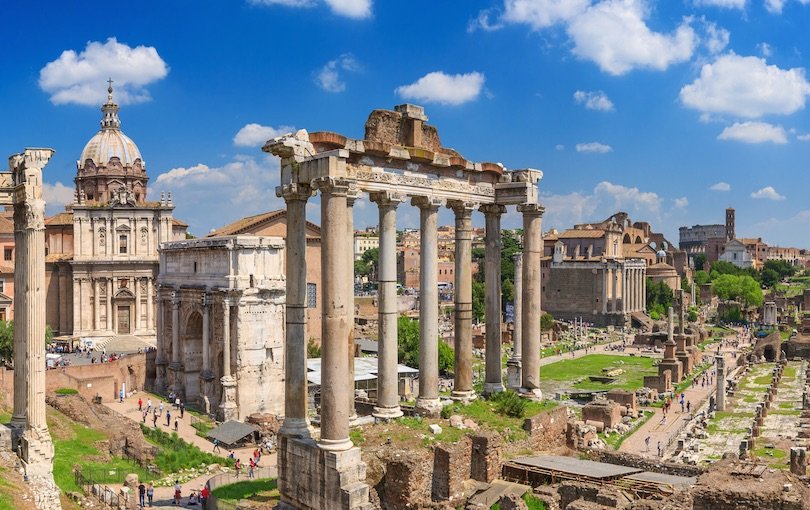
Rome is a place I never try to “finish.” I treat it like layers: imperial Rome in the morning, a church I didn’t plan on finding by noon, pasta in a back street, and then a golden-hour walk that turns a random piazza into the best part of the day. Rome’s official tourism guidance emphasizes how usable the bus, tram, and metro network is for major sites, and current official advice for Italy mainly calls for awareness of local rules and crowded tourist zones.
5-day itinerary
Day 1: Colosseum, Roman Forum, Palatine Hill
Day 2: Pantheon, Piazza Navona, Campo de’ Fiori, Trastevere
Day 3: Vatican Museums, St. Peter’s Basilica, Castel Sant’Angelo
Day 4: Trevi Fountain, Spanish Steps, Villa Borghese
Day 5: Appian Way or Testaccio, then sunset in Monti
Major landmarks and attractions
Colosseum, Roman Forum, Vatican Museums, St. Peter’s, Pantheon, Trevi Fountain, Piazza Navona.
How to move around
Walk central Rome, then use the metro, tram, and buses for longer hops. The Roma Pass can help if you plan to stack museum visits.
Great but cheap places to eat
Pizzarium, Trapizzino, Forno Campo de’ Fiori, neighborhood trattorias in Testaccio.
Budget stays and hostel zones
Try Termini, San Lorenzo, Testaccio, Monti’s cheaper edges, and Prati away from the Vatican core.
Best time to visit
March to May and late September to November.
Cost of living
High, but a little easier than Paris if you eat simply.
Safety precaution
Tourist scams and pickpocketing cluster around stations and famous squares. Also pay attention to local conduct rules in heavily visited areas.
3. Barcelona, Spain

Barcelona gives you the rare city combination of serious architecture, beach air, great transit, and neighborhoods that still feel lived-in. I like it because you can spend one day deep in Gaudí, one day eating your way through markets and vermouth bars, and another by the sea without ever feeling rushed. The official city tourism site highlights the integrated public transport network and the Barcelona Card, while current Canadian advice flags petty theft as the main issue for travelers.
5-day itinerary
Day 1: Gothic Quarter, La Rambla, Boqueria, waterfront
Day 2: Sagrada Família, Sant Pau, Gràcia
Day 3: Park Güell, Passeig de Gràcia, Casa Batlló/La Pedrera
Day 4: Barceloneta beach, Port Vell, Montjuïc
Day 5: Day trip to Sitges or Girona, or more time in El Born
Major landmarks and attractions
Sagrada Família, Park Güell, Gothic Quarter, Montjuïc, Barceloneta, Passeig de Gràcia.
How to move around
Metro, tram, buses, and lots of walking. The city’s integrated transport system is one of the easiest in Europe.
Great but cheap places to eat
Boqueria market stalls, La Tasqueta de Blai, Can Paixano, neighborhood menu-del-día spots in Poble-sec.
Budget stays and hostel zones
Look at Poble-sec, Gràcia, Sant Antoni, El Raval’s safer edges, and Sants.
Best time to visit
April to June and September to October.
Cost of living
Moderate to high.
Safety precaution
Be extra careful with bags in crowded transit, markets, and festival areas. Barcelona remains one of Europe’s classic pickpocket cities.
4. Lisbon, Portugal
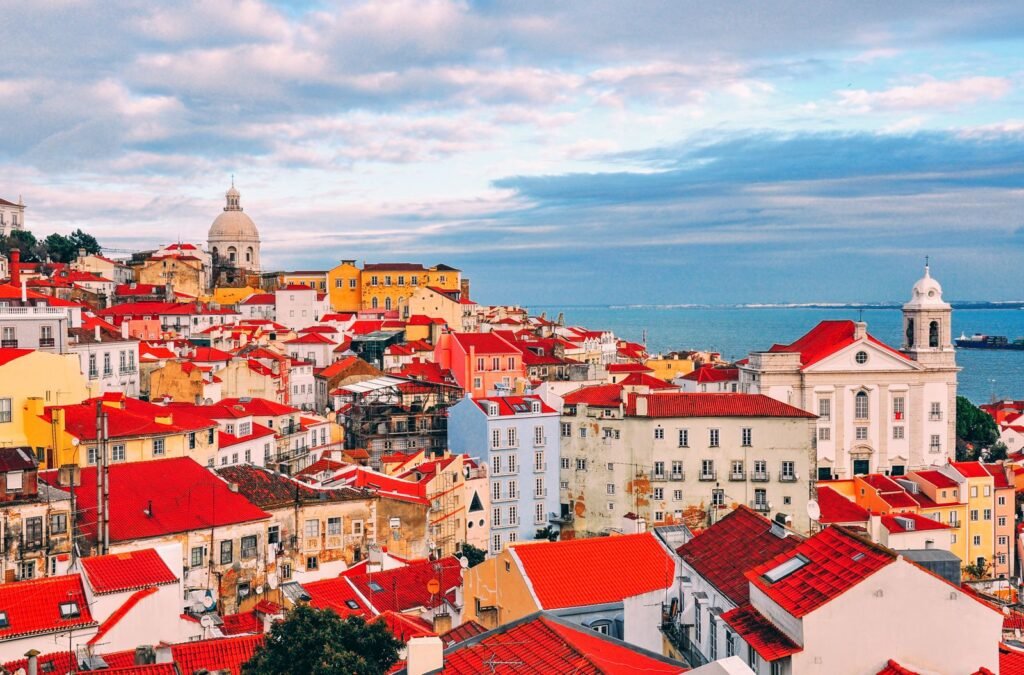
Lisbon is one of my favorite cities to write in. It has that sloping, sea-facing light that makes even a simple tram ride feel cinematic. It is also one of the easier western European capitals to enjoy on a moderate budget if you stay outside the prettiest postcard streets. Official tourism resources emphasize the Lisboa Card and public transport, while Canada’s current advisory warns mainly about petty crime in tourist-heavy zones and on well-known tram lines.
5-day itinerary
Day 1: Baixa, Chiado, Praça do Comércio, sunset at a miradouro
Day 2: Alfama, Sé, Castelo de São Jorge, Fado evening
Day 3: Belém Tower, Jerónimos Monastery, MAAT area
Day 4: Day trip to Sintra
Day 5: LX Factory, Time Out Market, Estrela and local neighborhoods
Major landmarks and attractions
Alfama, Belém Tower, Jerónimos Monastery, Castelo de São Jorge, Sintra.
How to move around
Trams, metro, commuter trains, buses, and uphill walking. The Lisboa Card can be good value if you plan museum-heavy days.
Great but cheap places to eat
Time Out Market for variety, Manteigaria for pastel de nata, Cervejaria Ramiro if you splurge once, small tascas in Mouraria.
Budget stays and hostel zones
Try Mouraria, Anjos, Arroios, Cais do Sodré’s outer streets, and Alcântara.
Best time to visit
March to May and September to November.
Cost of living
Moderate by western European standards.
Safety precaution
Mind your valuables on Tram 28, at miradouros, and around busy restaurant terraces.
5. Prague, Czechia
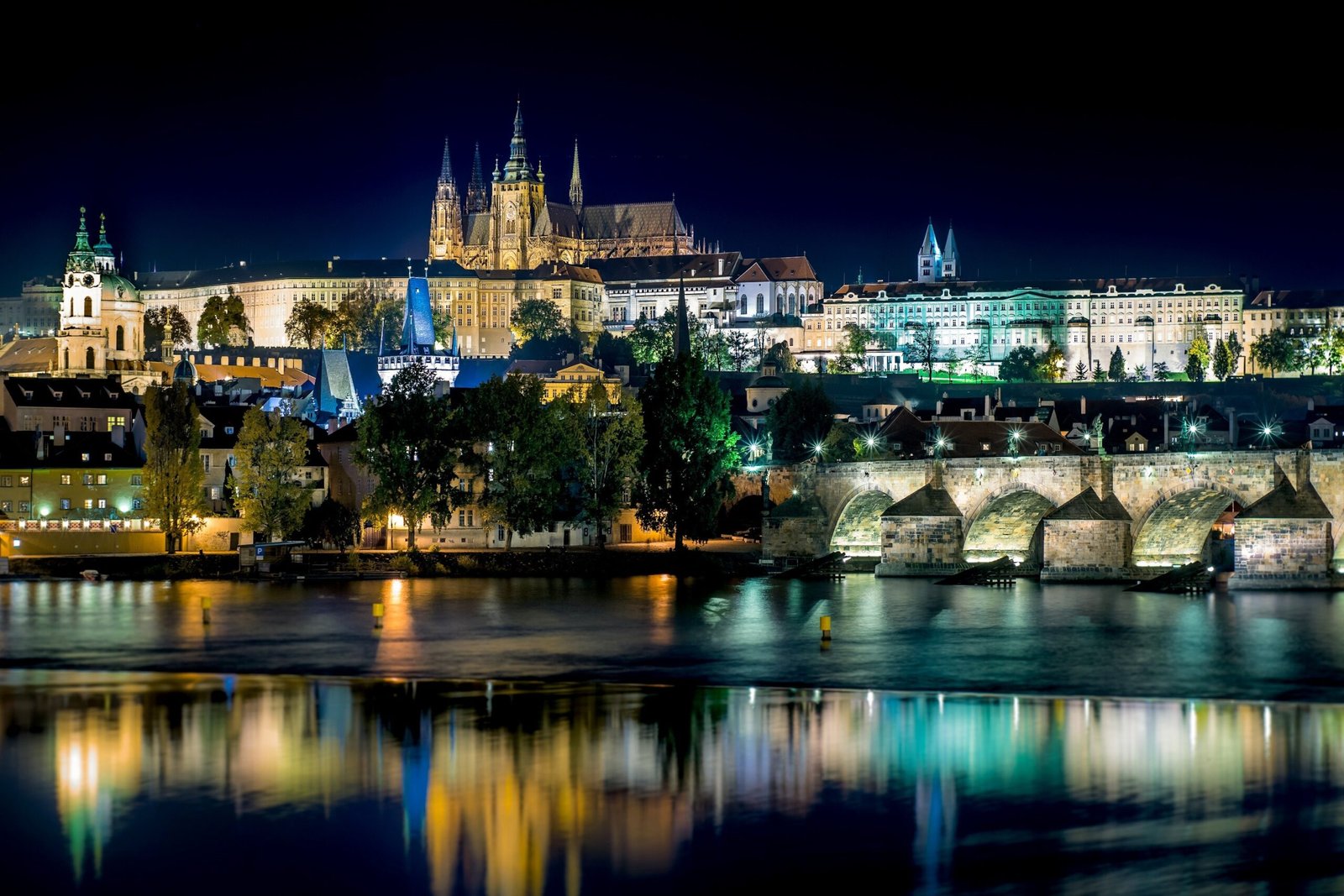
Prague is one of those cities that still feels almost impossibly theatrical at first glance, but the longer I stay, the more I appreciate how functional it is. The center is compact, the transport is excellent, and you can do a lot without spending hard. Prague’s official tourism site strongly recommends public transport and the Prague Visitor Pass. Numbeo places it well below the most expensive western capitals.
5-day itinerary
Day 1: Old Town Square, Astronomical Clock, Charles Bridge
Day 2: Prague Castle, St. Vitus, Lesser Town
Day 3: Jewish Quarter, Letná, riverfront
Day 4: Vyšehrad and neighborhoods beyond the center
Day 5: Day trip to Kutná Hora or more museum time
Major landmarks and attractions
Charles Bridge, Prague Castle, Old Town Square, Jewish Quarter, Vyšehrad.
How to move around
Use trams and metro; they are efficient and easy for visitors.
Great but cheap places to eat
Lokál, Café Savoy for breakfast, Havelská Koruna, bakery lunches and pub specials.
Budget stays and hostel zones
Best-value areas are Žižkov, Vinohrady, Smíchov, Holešovice, and the edges of New Town.
Best time to visit
April to June and September to October.
Cost of living
Moderate.
Safety precaution
Prague is generally manageable, but keep a close watch on belongings in the historic core and on packed trams.
6. Amsterdam, Netherlands
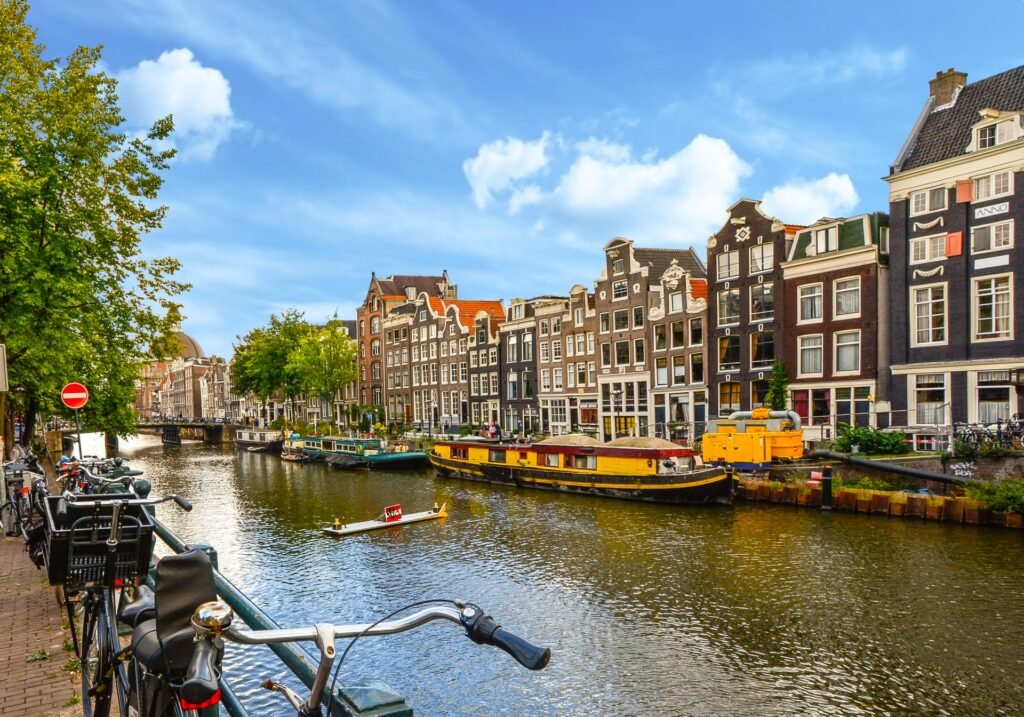
Amsterdam rewards slower travel. I’ve had some of my best days there with no agenda beyond a museum, a canal walk, and a long coffee stop. The official city resources highlight the dense public transport network and the city card, and the city remains easy to navigate without taxis.
5-day itinerary
Day 1: Canal belt, Jordaan, Anne Frank House area
Day 2: Rijksmuseum, Van Gogh Museum, Vondelpark
Day 3: De Pijp, Albert Cuyp Market, Heineken area
Day 4: NDSM or Noord ferry trip
Day 5: Zaanse Schans or Haarlem day trip
Major landmarks and attractions
Canal belt, Rijksmuseum, Van Gogh Museum, Jordaan, Anne Frank House district.
How to move around
Trams, metro, buses, ferries, and walking. Bikes are useful only if you’re comfortable with local cycling pace.
Great but cheap places to eat
FEBO for a quick novelty stop, Foodhallen, local Indonesian lunch specials, herring stands and bakery breakfasts.
Budget stays and hostel zones
Look at Amsterdam Noord, Oost, De Pijp’s outer streets, Sloterdijk, and West.
Best time to visit
April to May for spring color, or September for fewer crowds.
Cost of living
High.
Safety precaution
Watch bikes, trams, and pickpockets. Canal-side wandering is dreamy, but the streets move fast.
7. Istanbul, Türkiye
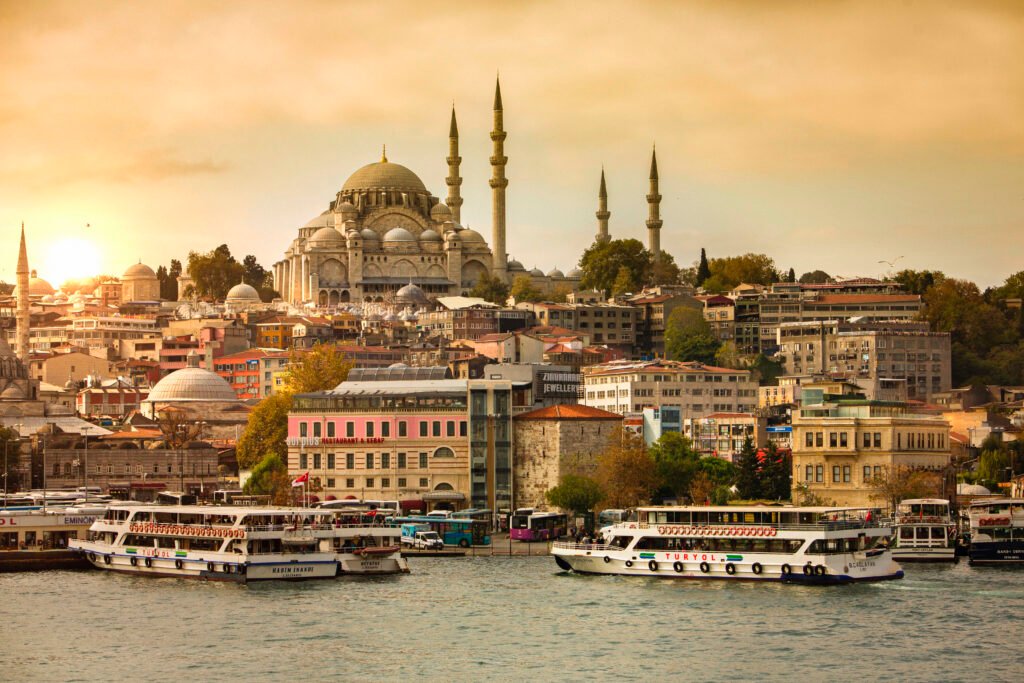
Istanbul is one of the most emotionally layered cities on earth. Every time I’m there, I feel like I’m moving between empires, ferry wakes, mosque courtyards, tea glasses, and steep neighborhood streets all at once. The official travel material emphasizes major cultural sites and public transport options, but Canada’s current advisory for Türkiye is more cautious than for many European destinations, so travelers should stay alert and follow local developments closely.
5-day itinerary
Day 1: Sultanahmet, Hagia Sophia, Blue Mosque, Basilica Cistern
Day 2: Topkapı Palace, Grand Bazaar, Spice Bazaar
Day 3: Bosphorus ferry, Kadıköy on the Asian side
Day 4: Galata, Karaköy, Istiklal Avenue
Day 5: Balat/Fener or a Princes’ Islands day trip
Major landmarks and attractions
Hagia Sophia, Blue Mosque, Topkapı Palace, Grand Bazaar, Bosphorus.
How to move around
Use trams, ferries, metro, and walking. Ferries are not just transport here; they are part of the experience.
Great but cheap places to eat
Sultanahmet köfte spots, dürüm shops in Karaköy, lokanta lunch counters, simit and tea for breakfast.
Budget stays and hostel zones
Try Karaköy, Kadıköy, Beyoğlu side streets, Aksaray, and Sultanahmet’s cheaper pensions.
Best time to visit
April to May and September to October.
Cost of living
Moderate, often favorable for many foreign visitors.
Safety precaution
Monitor demonstrations, avoid crowds that feel tense, and stay current on official advisories.
8. Marrakech, Morocco
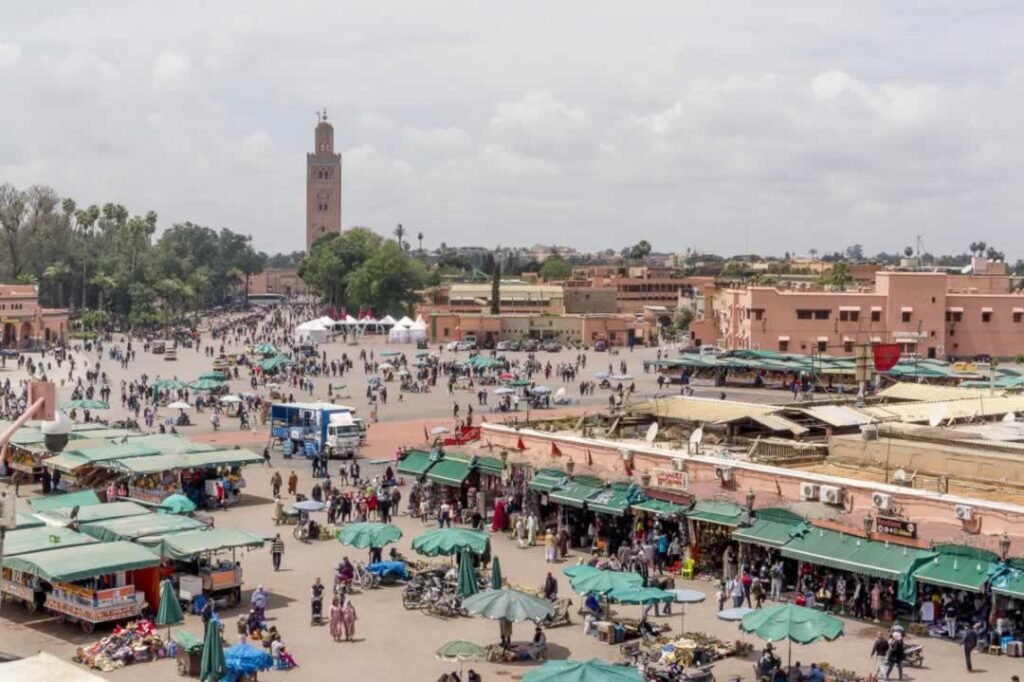
Marrakech wakes up all the senses at once. It can be exhausting, but in the best way: spices, traffic, tiled courtyards, call to prayer, garden shade, rooftop dinners. Morocco’s tourism site still frames Marrakech around its gardens, medina atmosphere, and Atlas-facing landscape, while Canada currently advises a higher degree of caution in Morocco overall.
5-day itinerary
Day 1: Jemaa el-Fna, souks, medina wandering
Day 2: Bahia Palace, Saadian Tombs, Koutoubia area
Day 3: Majorelle Garden, Yves Saint Laurent Museum
Day 4: Atlas Mountains day trip
Day 5: Hammam, rooftop rest, shopping and photography day
Major landmarks and attractions
Jemaa el-Fna, Bahia Palace, Majorelle Garden, souks, Atlas day trips.
How to move around
Walk the medina, use petit taxis for longer distances, and pre-book day tours.
Great but cheap places to eat
Street grills near Jemaa el-Fna, small tagine spots in the medina, local breakfast cafés, budget rooftop menus.
Budget stays and hostel zones
Best value is usually in medina riads, Kasbah, Bab Doukkala, Gueliz hostels, and simple guesthouses near the old city edge.
Best time to visit
March to May and October to November.
Cost of living
Low to moderate.
Safety precaution
Use licensed guides for complex medina navigation, agree taxi prices early when needed, and stay alert after dark in quieter lanes.
9. Cape Town, South Africa
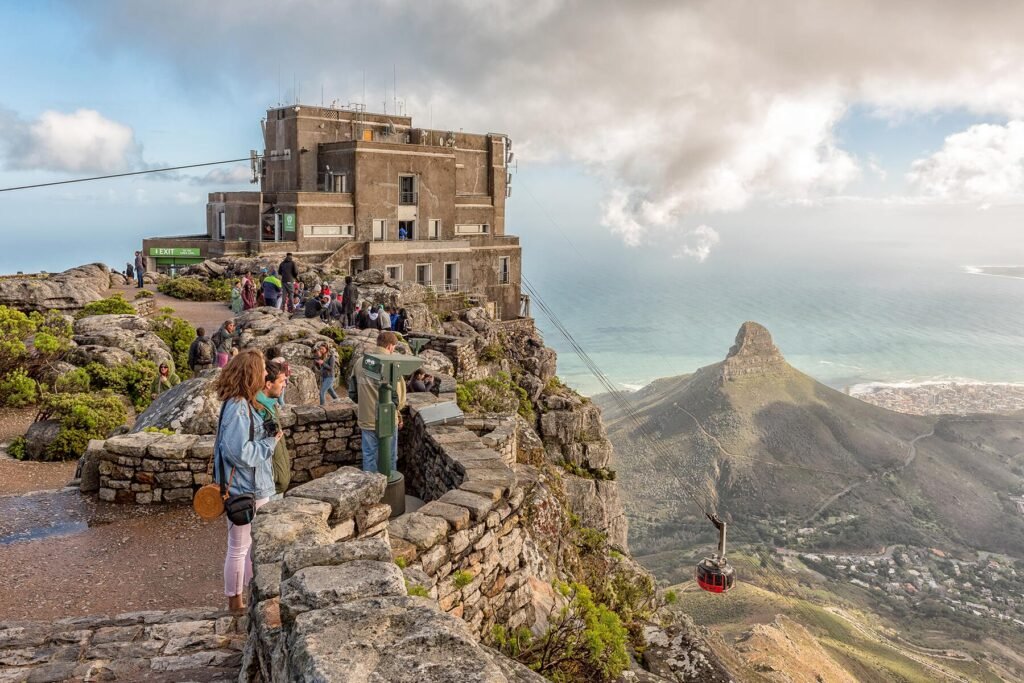
Cape Town is one of the few places where a city break can also feel like a landscape trip. One morning you are on a mountain, that afternoon at the waterfront, and the next day on a coastal drive that barely feels real. Official Cape Town tourism guidance highlights the Big Six attractions and recommends taxis or rideshare for many visitors.
5-day itinerary
Day 1: V&A Waterfront, city center, Bo-Kaap
Day 2: Table Mountain and Camps Bay
Day 3: Robben Island and beaches
Day 4: Cape Peninsula day trip to Cape Point
Day 5: Kirstenbosch and Constantia wine area
Major landmarks and attractions
Table Mountain, Cape Point, Robben Island, Kirstenbosch, V&A Waterfront.
How to move around
Rideshare, organized tours, or a rental car for the peninsula. Public transit is not the first choice for most visitors.
Great but cheap places to eat
Eastern Food Bazaar, neighborhood fish-and-chips spots, Malay cafés in Bo-Kaap, simple breakfast cafés in Gardens.
Budget stays and hostel zones
Look around Gardens, Green Point, Sea Point, Observatory, and Woodstock.
Best time to visit
November to March.
Cost of living
Moderate.
Safety precaution
This is a city where street awareness matters. Avoid flashing phones, use rideshare at night, and ask locals or hosts which streets to skip after dark.
10. Bangkok, Thailand
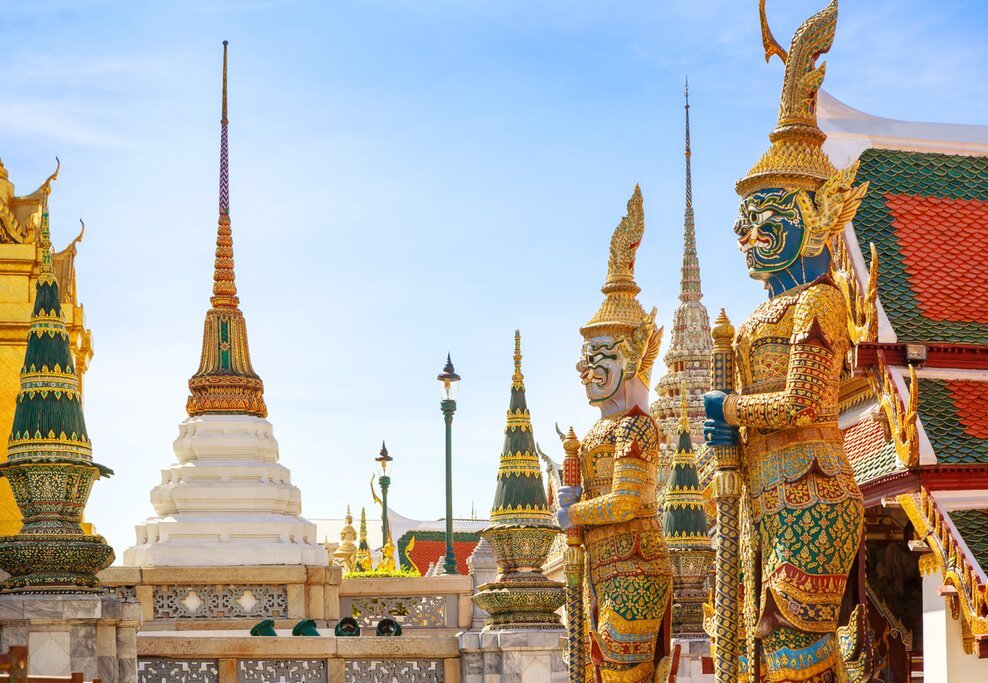
Bangkok is one of the world’s great arrival cities. It can feel chaotic for an hour, then suddenly you understand its rhythm: river boats, temple spires, mall food courts, alley noodles, rooftop sunsets, and neighborhoods that change mood block by block. Thailand’s official tourism resources emphasize Bangkok’s temple-heavy cultural core and the BTS Skytrain as a convenient way to move around, while Canada currently advises a high degree of caution because of political tensions and demonstrations.
5-day itinerary
Day 1: Grand Palace, Wat Pho, Wat Arun
Day 2: Chinatown and river ferries
Day 3: Jim Thompson House, Siam area, street food night
Day 4: Chatuchak or local markets, depending on day
Day 5: Ayutthaya day trip
Major landmarks and attractions
Grand Palace, Wat Pho, Wat Arun, Chinatown, Chao Phraya River.
How to move around
Use the BTS, MRT, river ferries, and Grab. They save you from traffic.
Great but cheap places to eat
Terminal 21 food court, Chinatown stalls, boat noodles, neighborhood curry shops.
Budget stays and hostel zones
Try Banglamphu, Ari, Old Town, Silom side streets, and Phaya Thai.
Best time to visit
November to February.
Cost of living
Low to moderate.
Safety precaution
Avoid protest areas, use only licensed transport, and be cautious with nightlife scams and spiked drinks.
11. Kyoto, Japan
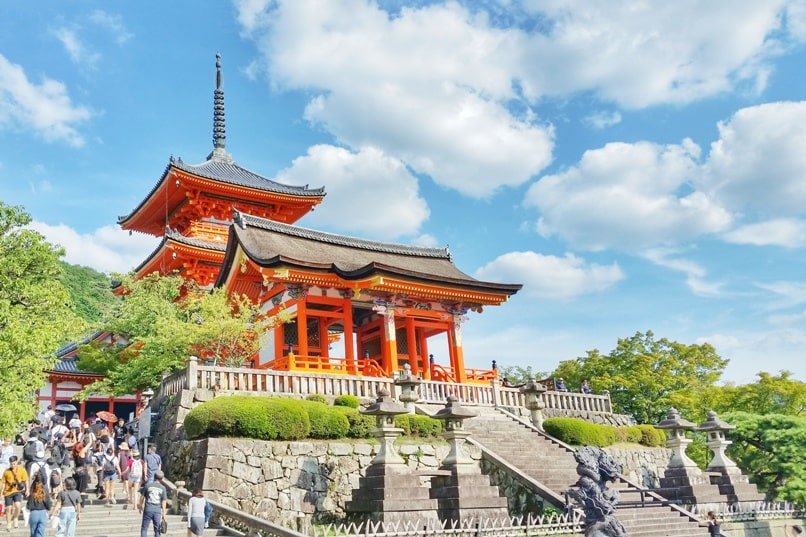
Kyoto is where I go when I want a trip to feel quieter without feeling empty. The city’s official guidance is unusually practical: it tells you to combine trains and buses, use day passes strategically, and avoid hauling luggage around unnecessarily. It’s one of the easiest heritage cities in the world to do well if you travel early in the day and accept that your best hours are before the crowds arrive.
5-day itinerary
Day 1: Kiyomizu-dera, Higashiyama, Gion
Day 2: Fushimi Inari early, Tofuku-ji, sake district
Day 3: Arashiyama, bamboo grove, river area
Day 4: Kinkaku-ji, Ryoan-ji, northern Kyoto
Day 5: Nishiki Market, tea houses, Philosopher’s Path zone
Major landmarks and attractions
Kiyomizu-dera, Fushimi Inari, Arashiyama, Kinkaku-ji, Gion.
How to move around
Use trains for longer moves, buses for temple corridors, and start early.
Great but cheap places to eat
Nishiki Market snacks, ramen shops near Kyoto Station, curry chains, set lunches in temple districts.
Budget stays and hostel zones
Best value usually appears near Kyoto Station, Gojo, Karasuma, Demachiyanagi, and hostels around Gion’s edges.
Best time to visit
March to May and October to November.
Cost of living
Moderate to high.
Safety precaution
Kyoto is generally easygoing; the main challenge is crowd pressure, not street crime. Respect temple etiquette and rush-hour transit manners.
12. Singapore
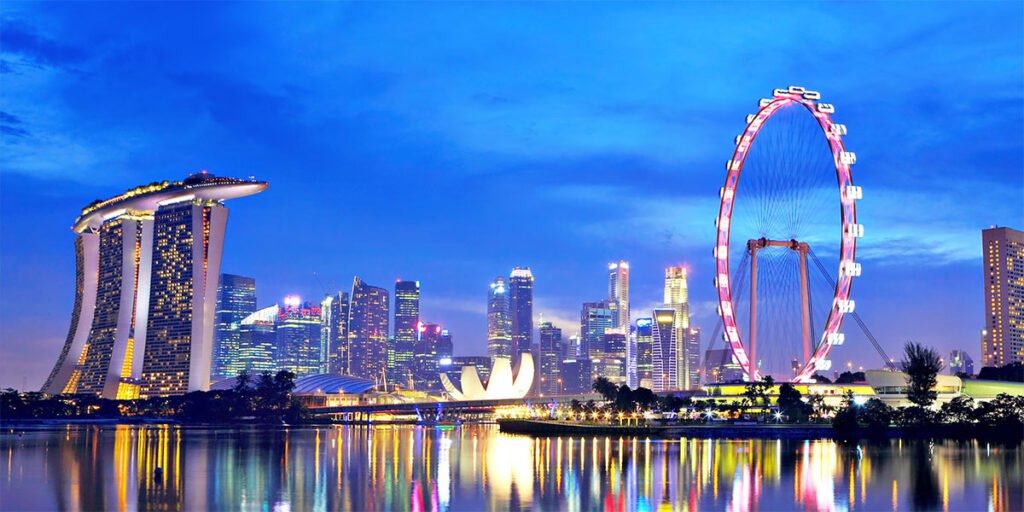
Singapore is one of the easiest places in the world to recommend to a first-time Asia traveler. It is clean, efficient, multilingual, and simple to navigate, but it still has layers once you get past the polished skyline. Official tourism resources emphasize how easy it is to get around and how broad the attraction mix is, from gardens to hawker culture. Numbeo still places it among the more expensive cities globally, though food can remain surprisingly affordable if you eat locally.
5-day itinerary
Day 1: Marina Bay, Merlion area, Gardens by the Bay
Day 2: Chinatown, Maxwell area, Clarke Quay
Day 3: Little India and Kampong Glam
Day 4: Sentosa
Day 5: Singapore Botanic Gardens and neighborhood café day
Major landmarks and attractions
Marina Bay, Gardens by the Bay, hawker centers, Sentosa, Botanic Gardens.
How to move around
MRT and buses. It is one of the easiest transit systems on this list.
Great but cheap places to eat
Maxwell Food Centre, Lau Pa Sat, Old Airport Road Food Centre, Tekka Centre.
Budget stays and hostel zones
Look at Little India, Bugis, Kampong Glam, Geylang, and Chinatown hostels.
Best time to visit
Year-round; February to April often feels a bit easier for many travelers.
Cost of living
High, but hawker food helps balance the budget.
Safety precaution
Very manageable overall. The main rule is simple: follow local laws closely.
13. Hanoi, Vietnam
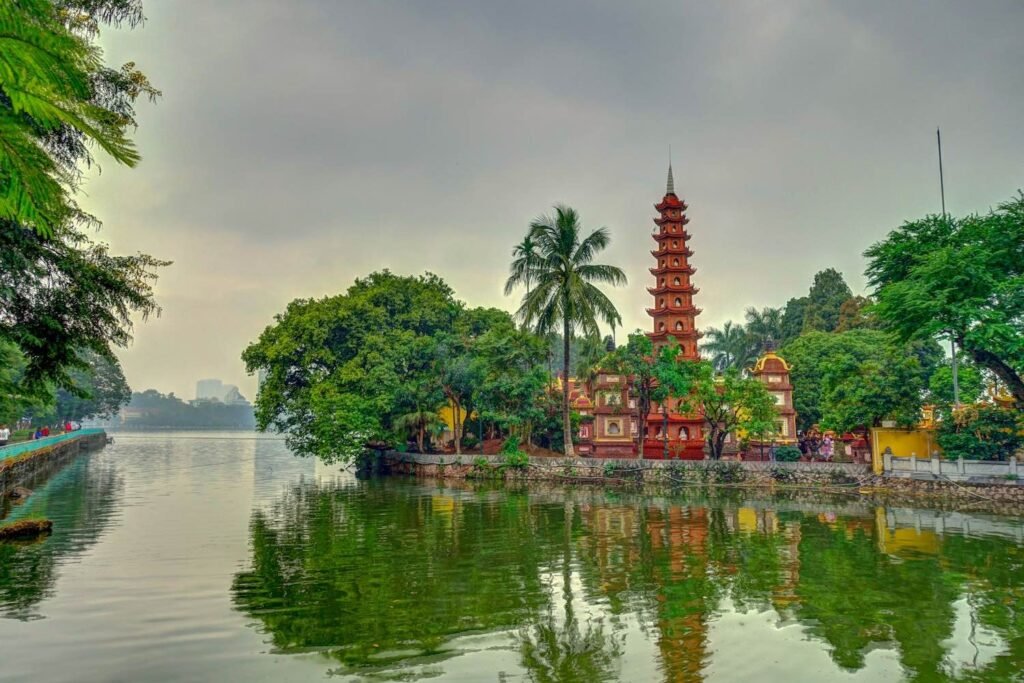
Hanoi has the kind of street life that makes you feel like the city is happening around you rather than for you. I love it for mornings: lake mist, coffee, temple bells, and the first scooters of the day. Vietnam’s official tourism resources point to the Old Quarter, its transport options, and a long list of must-see attractions.
5-day itinerary
Day 1: Old Quarter, Hoàn Kiếm Lake, street food crawl
Day 2: Temple of Literature, Ho Chi Minh complex
Day 3: West Lake, Tran Quoc Pagoda, café day
Day 4: Train Street area and museums
Day 5: Ha Long Bay or Ninh Binh day trip
Major landmarks and attractions
Old Quarter, Hoàn Kiếm Lake, Temple of Literature, Tran Quoc Pagoda, street-food culture.
How to move around
Walk, use ride-hailing apps, buses, and occasional taxis. The city is cheap to navigate.
Great but cheap places to eat
Phở shops in the Old Quarter, bun cha specialists, bia hơi corners, egg coffee cafés.
Budget stays and hostel zones
Stay in Old Quarter hostels, French Quarter budget hotels, Ba Đình guesthouses, West Lake cheap stays, or Hai Bà Trưng side streets.
Best time to visit
October to April.
Cost of living
Low.
Safety precaution
Traffic is the real hazard. Cross streets slowly and steadily; don’t dart.
14. Mexico City, Mexico
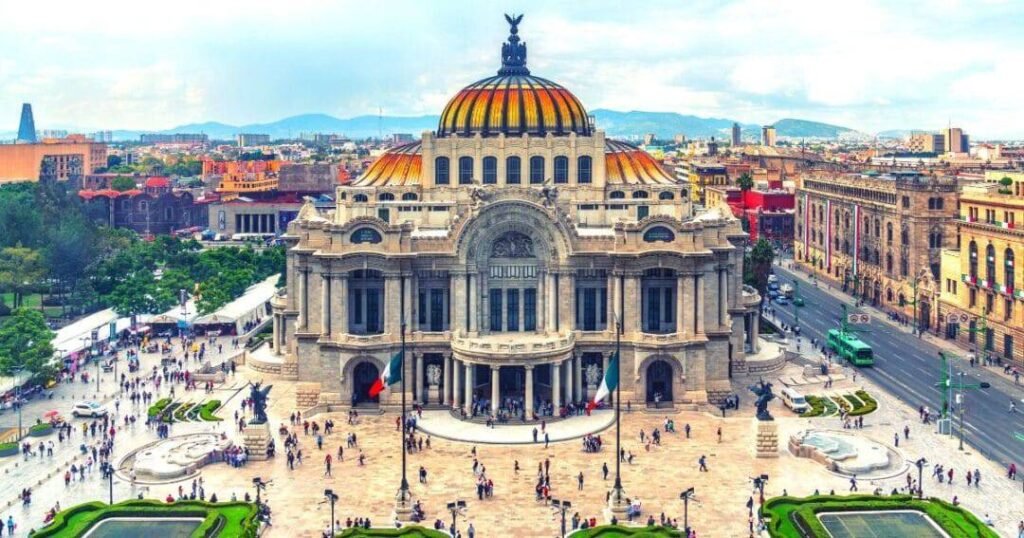
Mexico City is one of the best food cities on earth and one of the most rewarding urban trips in the Americas. The official city tourism site pushes its “100 must-see places” and notes how easy movement can be across the city, which I’ve found true once you learn the rhythm of neighborhoods rather than trying to conquer everything at once. Canada’s advisory for Mexico is more serious than for Europe, so neighborhood choice and day-to-day caution matter.
5-day itinerary
Day 1: Centro Histórico, Zócalo, Bellas Artes
Day 2: Roma and Condesa food-and-park day
Day 3: Chapultepec, Anthropology Museum
Day 4: Coyoacán, Frida Kahlo area
Day 5: Teotihuacán day trip
Major landmarks and attractions
Zócalo, Bellas Artes, Chapultepec, Anthropology Museum, Coyoacán, Teotihuacán.
How to move around
Use metro, rideshare, and neighborhood walking. Base yourself in a district you like and travel outward.
Great but cheap places to eat
Tacos Orinoco, El Huequito, local torta shops, market fondas.
Budget stays and hostel zones
Look at Centro, Roma Sur, Juárez, Narvarte, and Coyoacán guesthouses.
Best time to visit
March to May and October to November.
Cost of living
Moderate, with excellent value for food.
Safety precaution
Use rideshare at night, stay aware of neighborhood differences, and avoid displaying valuables casually.
15. Buenos Aires, Argentina
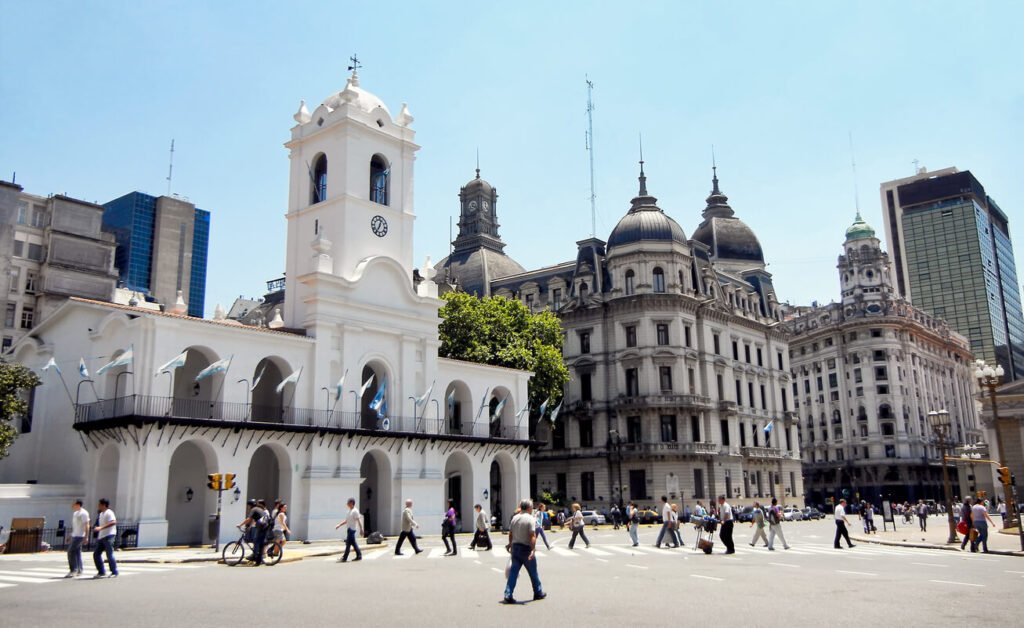
Buenos Aires feels built for long conversations, bookstores, steak dinners, parks, and nighttime wandering that somehow becomes a full itinerary. The city tourism site highlights its broad transport network, cycle lanes, and a budget-friendly approach using the SUBE transit card and public bike system.
5-day itinerary
Day 1: Plaza de Mayo, Casa Rosada, San Telmo
Day 2: Recoleta Cemetery, museums, cafés
Day 3: Palermo parks, food, nightlife
Day 4: La Boca and Caminito
Day 5: Tigre day trip or more bookstores and café hopping
Major landmarks and attractions
Casa Rosada, Recoleta Cemetery, Caminito, Palermo, Teatro Colón.
How to move around
Subte, buses, walking, and Ecobici. It is one of the easier large Latin American cities to navigate.
Great but cheap places to eat
Parrilla lunch specials, empanada shops, pizza on Corrientes, Café Tortoni if you want one iconic stop.
Budget stays and hostel zones
Try San Telmo, Balvanera, Almagro, Palermo’s cheaper hostels, and Microcentro budget hotels.
Best time to visit
March to May and September to November.
Cost of living
Moderate, often favorable for international visitors depending on exchange conditions.
Safety precaution
Use the same big-city rules as anywhere: watch phones on transit, keep cash split up, and use reputable taxis or rideshare after dark.
Final thoughts
If you want the most classic first-time trip, I’d start with Paris, Rome, Kyoto, or Lisbon. If you want the best food-to-cost ratio, I’d look hardest at Hanoi, Bangkok, Mexico City, and Buenos Aires. If you want the place that feels most visually overwhelming in the best possible way, my personal picks are Istanbul, Cape Town, and Marrakech.
For a traveler trying to balance beauty, substance, food, transport, and day-by-day usefulness, these 15 are the places I’d still put on the page first in 2026. They are not cheap in the same way, not easy in the same way, and not safe in exactly the same way, but each one offers a trip that feels bigger than the number of days you spend there. Official tourism sources and current Canadian advisories support the transport and safety framing above, and Numbeo’s 2026 data broadly supports the cost tiers I used.